
Market Guide
Long Beach Retail Space Guide
A customer-facing market for restaurants, services, wellness, and neighborhood retail.
Long Beach, CA
Retail Space
Start My Search
Rofo will help you define what you're looking for and create a Location Brief for your search.
Quick Facts
Long Beach market quick facts
City
Long Beach
CA
County
Los Angeles County
Regional market context
Buildings
5
Example buildings in Rofo data
Common Space Types
4
Office Space, Retail Space, Industrial Space, Coworking Space
Nearby Markets
8
Carson, Compton, Rolling Hills
Market Overview
Commercial real estate in Long Beach
Long Beach, CA is a local commercial real estate market in Los Angeles County where businesses can compare space needs by location, property type, and fit. Common space types include office space, retail space, industrial space, coworking space. Rofo currently includes 5 example buildings for this market. Nearby markets such as Carson, Compton, Rolling Hills can also be useful to compare.
Space Types
Commercial space types in Long Beach
Office Space in Long Beach
Office space can work for professional services, client-facing teams, administrative users, and companies that need private workspace.
View office space in Long Beach Read the office space guideRetail Space in Long Beach
Retail space can work for storefronts, restaurants, service businesses, wellness operators, and customer-facing brands.
View retail space in Long BeachIndustrial Space in Long Beach
Industrial space can work for warehouse users, logistics operations, light manufacturing, service trades, and distribution needs.
View industrial space in Long Beach Read the industrial space guideCoworking Space in Long Beach
Coworking space can work for flexible teams, remote workers, startups, and businesses that want shorter-term workspace options.
View coworking space in Long BeachNeighborhood Breakdown
Where to compare retail space options
Downtown Long Beach
A primary retail area for restaurants, services, and customer-facing businesses.
Bixby Knolls
A useful corridor to compare visibility, customer base, and local trade-area fit.
Signal Hill
A useful corridor to compare visibility, customer base, and local trade-area fit.
Port Area
A useful corridor to compare visibility, customer base, and local trade-area fit.
Nearby City Pages
Compare nearby commercial real estate markets
Nearby markets can be useful if you are flexible on location, commute, space type, or building fit.
Carson, CA
Explore Carson commercial real estateCompton, CA
Explore Compton commercial real estateRolling Hills, CA
Explore Rolling Hills commercial real estateTorrance, CA
Explore Torrance commercial real estateCerritos, CA
Explore Cerritos commercial real estateGardena, CA
Explore Gardena commercial real estateExample Buildings
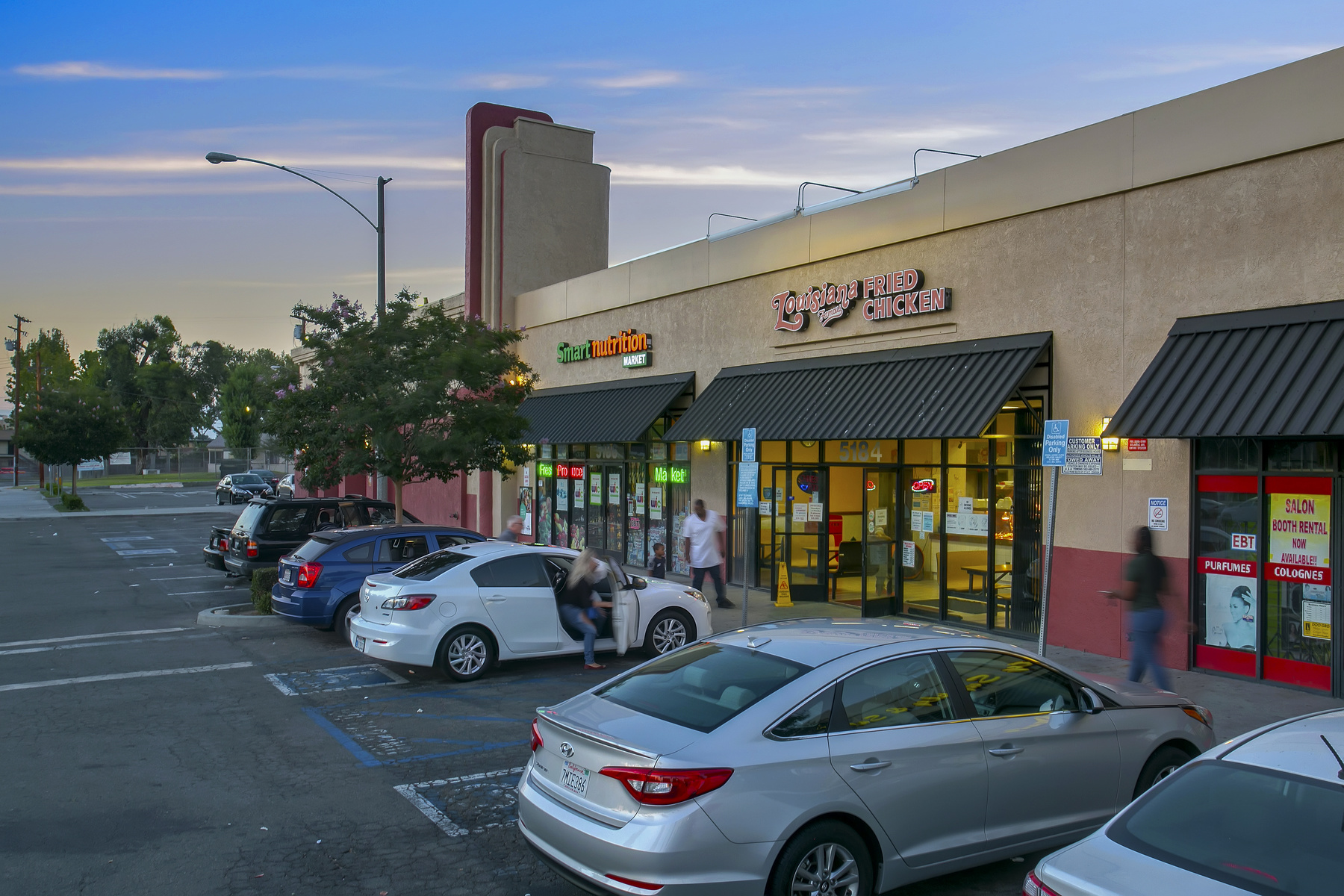
Example buildings in Long Beach
Space Planning
What size retail space do you need?
Most businesses start by estimating team size, operational needs, customer access, storage needs, and future growth. If you are unsure, compare a few size ranges before narrowing the search.
- Under 1,000 sqft can work for smaller teams, service businesses, or focused local operations.
- 1,000-5,000 sqft often fits growing businesses that need a practical mix of work, customer, or support areas.
- 5,000+ sqft is usually evaluated around layout, operational flow, and future expansion needs.
Next Steps
Compare retail space in Long Beach
Use Rofo to explore retail space market coverage and representative buildings in Long Beach or step back to the broader city market. Confirm current availability separately.
GET HELP
Enter your space requirements
Add space, timing, and priority details to compare the right next steps.
Type of space
Office, retail, industrial, flex, or coworking
Size or team
A rough range or headcount is enough
Location
Your target area or nearby options
Timeline
Now, soon, or just exploring
GET HELP
Request research for your space search
Tell us what you're looking for. Rofo will review your request and may connect you with someone who can help. This form doesn't show available spaces or guarantee a response.
FAQ
Long Beach commercial real estate FAQ
How do I find commercial space in Long Beach?
Start by defining the type of space, approximate size, preferred location, and timing. Use Rofo’s market guides and representative buildings to compare Long Beach and nearby markets. Confirm current availability separately.
What types of commercial space does Rofo cover in Long Beach?
Long Beach has market guide or representative building coverage for office space, retail space, industrial space, coworking space. Coverage does not confirm current availability.
Can Rofo help me compare nearby markets?
Yes. Rofo can help compare Long Beach with nearby markets such as Carson, Compton, Rolling Hills.
How can I request research for my search?
Share your space type, target market, approximate size, and timing using the research form. Rofo will review your request and may connect you with someone who can help. A response is not guaranteed.
Sources