Archive for the ‘Real Estate Investment’ Category
Top Real Estate Agents: Best Realtors for Gated Communities in Palm Beach County
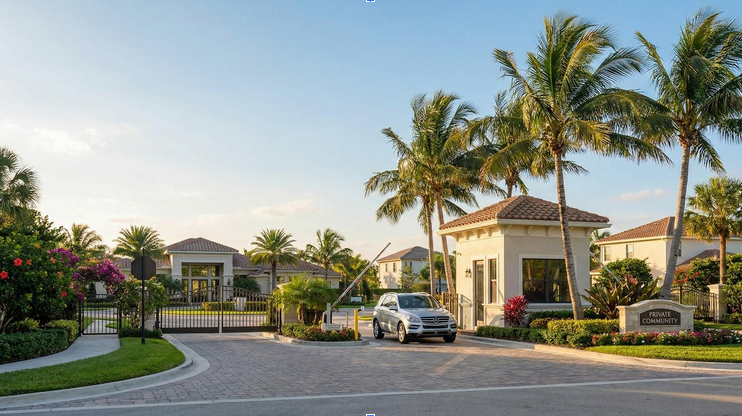
Although our focus is on commercial real estate, we though this post would be of interest due to the volume and value of sales; $6.1 billion in gated sales last year.
Palm Beach County’s gated enclaves feel like private resorts—guard posts, leafy boulevards, and five-star clubhouses. Yet every community enforces its own fees, pet limits, and even paint colors, so the agent you pick determines whether you breeze through the gate or idle at the kiosk.
Demand is scorching: the county’s 25 busiest Realtors closed $6.1 billion in gated sales last year, with one broker alone logging $636 million inside a single neighborhood, according to a March 2025 Real Deal ranking.
The market is vibrant, the rules are tricky, and you need a specialist who speaks fluent HOA. The seven pros below do exactly that—handing you the keys with confidence.
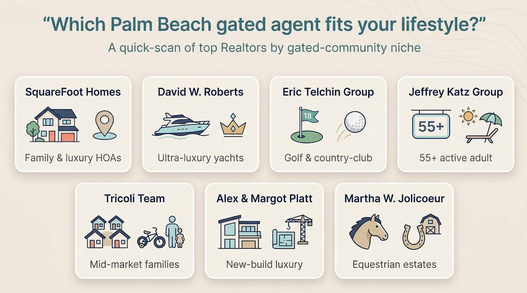
Quick-scan: which agent fits your gate?
We promised you specialists, not a phone-book pile of business cards. Before we dive into full profiles, here’s a rapid look at who works where and why that matters.
Each name below links to thousands of gated-community closings; one record even crosses the nine-figure mark. We trimmed the noise to five datapoints you actually care about: focus, experience, sales, reputation, and proof.
| Realtor / team | Gated-community specialty | Years in niche | 2021–2024 gated sales | Average review score |
| SquareFoot Homes (county-wide) | Family and luxury communities from Arden to Boca Bridges | 10+ (team) | about 50 closings across multiple neighborhoods | 4.9★ |
| David W. Roberts (Boca Raton) | Ultra-luxury Royal Palm Yacht & Country Club only | 40+ | $636 million in 2024 | 5.0★ |
| Eric Telchin Group (West Palm) | Ibis Golf & Country Club plus other 33412 golf communities | 15 | 200+ deals; more than 1,000 career sales in Ibis | 5.0★ |
| Jeffrey Katz Group (Boynton) | 55-plus Valencia active-adult communities | 20 | over $325 million sold | 5.0★ |
| Tricoli Team (KW) | Mid-market family HOAs county-wide | 20 | 300+ transactions | 5.0★ |
| Alex & Margot Platt (Compass) | New-build luxury (Lotus, Bridges) | 8 | 60+ high-end sales | 5.0★ |
| Martha Jolicoeur (Elliman) | Wellington equestrian estates | 15 | 80+ barn-ready estates | 5.0★ |
Browse the grid, match an agent to your lifestyle, and read on to see how each professional clears hurdles that keep average agents parked at the gate.
1. SquareFoot Homes Real Estate Group – your county-wide gatekeepers

SquareFoot Homes Real Estate Group website screenshot
1. SquareFoot Homes Real Estate Group – your county-wide gatekeepers
Picture a concierge desk that stretches from Boca Raton to Jupiter. That is SquareFoot Homes. The boutique team lives inside the communities they sell, with one agent in Boca Bridges and another in Arden, so they trade first-hand intel rather than recycled market reports.
Because they serve the whole county, they spot trends others miss: HOAs that quietly raised security dues last quarter, golf clubs cutting initiation fees, and neighborhoods where resale values surge after a clubhouse refresh. They feed that insight into a tech-smart portal that filters listings by lifestyle—golf, 55-plus, waterfront—and flags fee changes overnight.
Reach never dilutes results. The team closed about fifty gated transactions in the past three years, ranging from starter HOAs to eight-figure estates. Repeat clients echo the same praise: “They made three sales feel like one smooth ride.” If you want choices across the map without juggling multiple agents, start here.
2. David W. Roberts – King of Royal Palm

Step inside Royal Palm Yacht and Country Club and one name echoes louder than the hum of golf carts: David W. Roberts. He has walked these streets for more than forty years, first as a resident, then as the broker who reset local record prices.
Royal Palm Properties and David W. Roberts website screenshot
In 2024 alone he guided $636 million in on-market sales, every dollar inside this single guard-gated enclave. Clients say Roberts can quote lot elevations from memory; appraisers call him for comparable data. That mastery pays off. When a teardown sold for thirty-six million, he handled both sides and defended value no spreadsheet could capture.
Royal Palm follows bespoke rules—equity memberships, marina-slip lotteries, architectural reviews with surgical precision. Roberts knows every key holder and the nuance of each bylaw. Hire him and you tap a resident network that secures permits, tee times, and seawall inspections before most agents print brochures.
If your target is Boca’s most exclusive gate, skip the learning curve. Roberts already wrote the syllabus.
3. Eric Telchin Group – the Ibis insider
Drive through the gates of Ibis Golf and Country Club and odds are the listing you pass belongs to Eric Telchin. His signs may be common as palmettos, but his method is all precision. Telchin has logged more than 1,000 Ibis closings, a record built on meticulous data and neighborly follow-through.
He tracks every sale, price shift, and membership tweak in a private spreadsheet that dwarfs the MLS. Sellers lean on those numbers to capture extra value from upgraded kitchens; buyers use them to time offers around seasonal inventory bumps. That focus placed his team third in the county for transaction sides last year while keeping a perfect five-star rating intact.
Living inside the 33412 ZIP keeps Telchin ahead of rule changes. He knows which sub-HOA will repave roads or raise capital contributions and hands clients a cheat sheet before each tour, saving them from fee surprises. After closing, he is first to invite newcomers for a quick nine or a Friday clubhouse buffet. Service continues long after the ink dries, which is why families return when it is time to upsize or downsize inside the gates.
Shopping for a golf-centric lifestyle north of West Palm? Telchin already has the tee sheet ready.
4. Jeffrey Katz Group – the 55-plus matchmakers
Active-adult buyers want more than square footage. They want pickleball leagues, grand-kid rules, and an HOA that trims hedges while they travel. Jeffrey Katz has turned those wishes into more than $325 million in closed sales across the Valencia series and other 55-plus enclaves.
His website feels like a retirement concierge desk: side-by-side fee charts, amenity videos, and comparison grids of pet policies. New clients arrive having streamed every walkthrough, then rely on Katz to decode the fine print. He guides them through age-restriction affidavits, clubhouse equity options, and the lesser-known rule that some HOAs limit overnight guests under eighteen.
Patience is his edge. Reviews read like thank-you notes—snowbirds grateful for sunrise webcam screenshots, widowers thankful for lenders who understand fixed-income underwriting. Because Katz tracks resale velocity in each Valencia phase, he alerts sellers when a neighbor’s pending renovation might distort comps, guarding equity before the listing hits MLS.
If your next chapter includes sunshine without yard work, Katz turns red tape into a welcome-home ribbon.
5. Tricoli Team – review-backed hustle for growing families
Gated living is not always about chandeliers and marble. Sometimes it is a safe cul-de-sac where bikes roam and the PTA meets at the clubhouse. For that slice of suburbia, families trust Jeff Tricoli’s Keller Williams squad.
Two thousand five-star reviews tell the story: constant availability and data-driven pricing. Tricoli agents cover the county daily, moving from Canyon Trails to Nautica Lakes with clockwork efficiency. The effort pays off. They have logged more than three hundred gated closings across price points, spotting appraisal traps and HOA quirks that can derail FHA loans.
Speed is their edge. Internal numbers show their listings sell eight percent faster than the county average, thanks to focused staging advice and social ads that reach buyers within five miles of each gate. Yet the process never feels rushed. Clients recall late-night calls that walk through estoppel letters line by line, preventing fee surprises at closing.
Need a team that can open kid-friendly gates on short notice and still negotiate with precision? Tricoli already has the key fobs ready.
6. Alex & Margot Platt – social-savvy partners for new luxury
GL Homes keeps rolling out modern playgrounds like Lotus and Boca Bridges, and the Platts sell them almost as quickly as the slabs cure. This Compass duo landed on Palm Beach County’s forty-under-forty list by pairing scroll-stopping video tours with concierge-level service.
Margot’s design degree shows in every listing. She tweaks furniture angles, records a one-minute reel, and often tops five thousand views before sunset. Alex studies inventory velocity and nudges price bands so offers arrive within days. Together they have closed more than sixty gated deals, most north of one million dollars, while preserving a spotless five-star review streak.
Their edge is relatability. They juggle toddlers, know which HOAs host stroller parades, and recite school rezoning updates between showings. Remote buyers value live video walk-throughs that linger on cabinet hinges, gate call boxes, and cell-service dead zones.
If your wish list reads “brand-new, smart-home, resort amenities, zero maintenance,” the Platts will have a virtual key waiting before your plane lands.
7. Martha W. Jolicoeur – Wellington’s equestrian whisperer
Million-dollar horses fly into Wellington each winter, and Martha Jolicoeur welcomes their owners. A former Grand Prix rider, she sells gated estates the way trainers pick Olympic mounts: footing, flow, and flawless condition.
Her card reads Douglas Elliman, but her real office is the bridle path. Buyers follow her golf cart through Palm Beach Point or the Aero Club while she explains which HOA bylaws set barn height, runway access, and manure pickup. That detail work seals deals before offers hit paper; no one wants a zoning surprise when a forty-stall barn is at stake.
Production matches reputation. Jolicoeur ranks among Elliman’s top Florida agents, recording single-estate sales above $15 million while still sponsoring the Great Charity Challenge at the Winter Equestrian Festival. Clients say she negotiates like a show jumper at the final fence: fast, fearless, and precise.
If your dream home includes a tack room and space for a Gulfstream, Jolicoeur already has the gate code.
How we chose the seven gatekeepers
You deserve more than a popularity contest, so we reviewed license records, MLS data, and thousands of verified reviews to find agents who excel inside gated walls, not just generic ZIP codes.
We began by mapping every Palm Beach sale from 2021 through 2024 that required an HOA gate code. Volume carried the most weight; one broker logged $636 million behind a single guardhouse, proving that niche experience matters.
Client satisfaction came next. We looked for hundreds of five-star reviews, a sign of consistent service rather than hand-picked praise.
Local expertise also counted. Board memberships, resident status, and years of blogging showed that a broker can explain pet limits, equity buy-ins, and flood-zone rules without outside help.
We finished with negotiation results: days on market, list-to-sale ratios, and record prices. Community involvement, such as sponsoring clubhouse charities or mentoring HOA boards, served as a bonus tie-breaker.
The result is a roster that covers luxury yachts, pickleball capitals, and bridle paths, so whatever your lifestyle, one of these seven already speaks your language.
What to expect when buying in a gated community
HOA fees and assessments, budget beyond the mortgage
Start with the number no one posts on the listing photos: monthly dues. In Palm Beach County, basic gated neighborhoods charge about three to four hundred dollars each month. Step into a country-club enclave and that figure can top one thousand before you add optional golf equity.
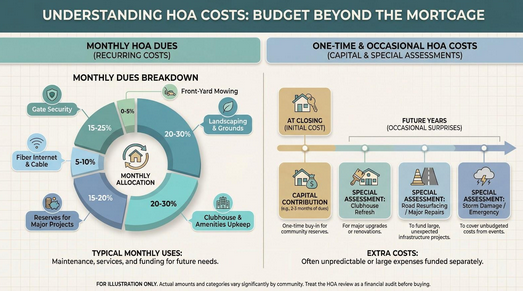
What do those dollars cover? Think of them as a bundled service plan. Dues usually pay for gate security, common-area landscaping, clubhouse upkeep, and reserves for large projects such as road resurfacing. In newer master-planned communities, the fee may also include fiber-optic internet or front-yard mowing.
The bigger shock often hides in capital contributions and special assessments. Many associations collect two or three months of dues at closing to build reserves. Others impose one-time “clubhouse refresh” fees when renovation funds run short. Savvy agents preview those costs early and, when possible, negotiate credits so the final statement does not surprise you.
Rule of thumb: request the association’s latest budget and reserve study as soon as you go under contract. A healthy reserve, typically at least seventy percent of projected needs, signals stable dues. A thin reserve paired with aging amenities hints at future increases. Your Realtor should translate those spreadsheets into plain language and an annual cost you can add to everyday expenses.
Treat the HOA interview like a financial audit. Clear numbers make the move from offer to welcome packet smoother.
HOA rules and everyday lifestyle, read the fine print before you sign
Security gates provide the first layer of order; the bylaws supply the rest. Some boards dictate roof colors, mailbox designs, and even the length of time a guest’s vehicle may remain in the driveway. Others focus only on speed limits and quiet hours after ten.
Rules shape daily living, so treat them like a second set of property specs. Dog lover? Check weight limits—many boards cap pups at forty pounds. Planning to rent seasonally? Some communities require twelve-month minimum leases or ban short-term rentals completely.
Retiree enclaves add another layer: age restrictions. A fifty-five-plus neighborhood requires at least one resident to meet that mark, and visits by minors may be limited to thirty days each year. Break the rule and you face fines or, worse, forced relocation.
Ask your agent for a bylaws cheat sheet during showings. Skilled gated specialists flag quirks that conflict with your lifestyle before you fall for the granite countertops, saving both heartache and hefty violation fees.
Access and privacy, why a Realtor is your golden ticket
Iron gates do more than impress visitors; they also keep casual shoppers out. Most communities need the listing agent to register your name, and many refuse entry to unescorted guests, even during open houses. Arrive without clearance and you may spend your visit at the guard kiosk instead of touring the kitchen.
The rule protects owners but blocks last-minute drive-bys. Top gated specialists turn that barrier into an advantage. They group several showings under one security clearance, submitting your identification twenty-four hours ahead so you glide through like a member.
Inside, privacy rules tighten further. Clubhouses often ban photography, streets carry twenty-five-mile speed limits, and “no solicitation” policies prevent door-knocking for neighbor intel. A well-connected agent fills that gap, sharing inside chatter on upcoming listings or pending assessments while you cruise the boulevard.
Treat your Realtor as both tour guide and passport. The smoother they manage gate access, the faster you move from visitor log to resident roster.
Be aware of 2024–2026 rule changes
Buyer-agent commissions just flipped
For decades sellers quietly included the buyer-agent fee in the list price. A landmark 2024 settlement ended that habit. Sellers no longer must pre-pay your agent, and you must sign a written agreement that spells out how your representative is paid.
What changes on the ground? During showings you will now see a blank or variable field where “buyer commission” once appeared. Some sellers still offer a full fee to widen the pool, others offer half, and a few offer none. Before your first tour, your agent should explain three funding options:
- Negotiate the fee into the purchase price when inventory is plentiful.
- Request a closing credit from the seller earmarked for your agent.
- Pay the commission yourself; many lenders now allow it to roll into the mortgage if the appraisal supports the higher figure.
Clear math at the start avoids awkward haggling later. Experienced gated specialists already have lender scripts to keep deals moving under the new model.
Florida’s new HOA law reins in heavy-handed boards
Good news for owners tired of constant violation letters: Tallahassee narrowed association powers in late 2025. The reform caps excessive fines, demands transparent budgeting, and requires boards to open more records to members. An association that once charged fifty dollars a day for a visible trash can must now justify the penalty.
Why does this matter when you buy? Financial clarity. Sellers must disclose unpaid fines, and boards must explain fee hikes with documented needs. Your agent should pull the latest budget minutes and any pending special-assessment votes. If the numbers look weak, negotiate a price concession or keep shopping.
The law also shortens the record-request timeline, so you can review reserve health in days, not weeks. A sharp Realtor will use the statute to secure documents early, shrinking both risk and stress.
Insurance and storm-hardening, budget for wind before it blows
Florida premiums climbed faster than sea-level projections, and gated homes feel the pinch. Carriers reward impact windows, reinforced garage doors, and wind-mitigated roofs with sizable discounts, while dated features can spike quotes or force owners into the high-risk pool.
The state revived the My Safe Florida Home grant in 2025, offering up to ten thousand dollars for storm upgrades. Sellers who already used the program often advertise “grant complete” as a selling perk; buyers still have funds available if the property lacks shutters or a fortified roof deck.
Ask your agent for a recent wind-mitigation report and roof age before you sign. A ten-year-old tile roof with clips and a secondary water barrier can shave thousands off annual premiums compared with a fifteen-year-old roof missing that paperwork. Savvy Realtors line up quotes during inspection week so you can weigh true carrying costs beside the mortgage.
The cheapest time to think about hurricanes is before closing. Lock in the right coverage and improvements now, then follow the next storm update with more confidence and a smaller deductible.
Tips for touring and choosing gated community homes
Schedule first, stroll later
Call it the golden rule of gated shopping: plan before you drive. Guards need your name in the log a day ahead, and residents value quiet streets. Work with your agent to bundle three or four homes under one security clearance so you spend more time in foyers and less time at kiosks.
Evaluate the community, not just the kitchen
Granite counters impress, but shared spaces protect value. During the tour, linger in the clubhouse, test gym machines, and note whether tennis courts show cracks or fresh paint. Well-kept amenities signal healthy reserves and boards that spend dues wisely.
Read the fee sheet line by line
Ask for the HOA disclosure summary; Florida law requires sellers to provide it. Scan for hidden costs such as capital contributions, transfer fees, and golf-equity buy-ins that dwarf monthly dues. A sharp Realtor will translate the jargon and estimate your annual true cost.
Ask about future assessments
That resort-style pool may be due for resurfacing. Boards often discuss big projects years in advance. Request minutes from the last two board meetings; they reveal looming expenses that could trigger assessments soon after you unpack.
Bring the right ID and a phone charger
Many gates scan driver’s licenses and photograph tags. Forget yours and the tour stalls. Inside, cell service can dip, so carry a charger or portable hotspot if you plan to video chat a spouse or inspector.
Tap your agent’s vendor list
Once you fall for a home, you will need HOA-approved painters, landscapers, and pool services. Seasoned gated specialists keep a vetted roster that meets insurance rules, saving you trial and error.
Conclusion
Choose carefully, lean on expert guidance, and the right gated address will feel like a permanent holiday with your name on the resident list at the front gate.

Hidden Costs of Commercial Building Ownership: Ongoing Maintenance Items You Should Consider

Understanding the True Cost of Commercial Building Ownership
Commercial building ownership entails financial obligations that extend far beyond the initial purchase or construction cost. The true cost of ownership involves ongoing expenditures that are often underestimated but are critical to maintaining the building’s functionality, value, and compliance with regulatory standards. These costs occur throughout the lifespan of the property and can increase significantly over time if not addressed proactively.
Regular Maintenance and Repairs
One major component of commercial building ownership is regular maintenance. Building systems such as plumbing, electrical wiring, and HVAC require periodic inspections and servicing to ensure they continue operating efficiently. Without these routine checks, small issues can escalate into costly repairs. Owners must factor in expenses like replacing aging equipment, repairing structural damage, or addressing issues like water leaks or foundation cracks.
Energy Efficiency and Utility Costs
Energy consumption is another recurring cost that impacts long-term ownership expenses. Older buildings often feature outdated systems that are inefficient and expensive to operate. Retrofitting buildings with energy-efficient systems, such as LED lighting or solar panels, can reduce utility costs but may require substantial upfront investment. Tracking energy usage with advanced monitoring tools allows owners to make informed improvements but adds to ongoing budget considerations.
Compliance with Regulations
Adhering to building codes and local regulations often incurs additional costs. Requirements may include safety inspections, fire suppression system upgrades, and accessibility improvements to meet ADA standards. Periodic updates to regulations can necessitate modifications to the property, and the costs of failing to comply can result in fines or even legal penalties.
Insurance and Liability
Insurance coverage is essential for mitigating risks associated with commercial building ownership. Policies for fire, flood, theft, or liability claims often increase annually and must account for fluctuating property values or local risk factors. Likewise, liability from incidents onsite—such as accidents involving tenants or visitors—can lead to additional unexpected costs requiring careful coverage and management.
Renovations and Modernization
Over time, commercial properties often need modernization to remain competitive in the market. Renovations may include updating interior designs, adding technological features, or upgrading materials to ensure durability. In food-prep areas, cafés, or office pantries, a kitchen tile backsplash is a simple, durable upgrade that protects walls from moisture and makes ongoing cleaning easier—helping control long-term maintenance costs.These improvement costs can be substantial, particularly if they involve major reconfigurations or addressing outdated infrastructure. Owners must prepare for these expenses in advance.
Environmental and Landscaping Concerns
Proper care of the property’s surrounding environment is an ongoing concern. Landscaping upkeep, waste management, and pest control can generate recurring costs. Additionally, buildings in areas prone to extreme weather conditions may require storm-proofing or repairs to limit environmental damage, further adding to maintenance costs.
By understanding these hidden and ongoing expenses, owners can better anticipate the true financial commitment associated with commercial building ownership. An informed approach to these costs can ensure proper budgeting and help preserve the value of the property.
Routine Maintenance Expenses: What You Need to Know
Routine maintenance expenses are a critical aspect of commercial building ownership that can significantly impact operating budgets. These recurring costs are necessary to ensure the property remains functional, safe, and compliant with regulations. Building owners must plan for these expenses to avoid unexpected financial strain and to safeguard their investment.
Key Areas of Routine Maintenance
- HVAC Systems Heating, ventilation, and air conditioning require regular servicing to ensure optimal performance. Tasks such as filter replacement, checking refrigerant levels, cleaning ducts, and inspecting components can prevent costly breakdowns and prolong system lifespan.
- Plumbing Maintenance Routine attention to plumbing systems can prevent leaks, water damage, and costly repairs. Activities like clearing drains, inspecting pipes for corrosion, and maintaining water heaters often fall under these expenses.
- Electrical Systems Commercial buildings require regular inspections of wiring, outlets, lighting systems, and circuit breakers to prevent fire hazards and ensure compliance with safety codes.
- Roof Inspection and Repairs The roof is a critical structure that protects the building from weather damage. Regular inspections for leaks, cracks, and issues with drainage systems are necessary to avoid severe damage and expensive replacement costs.Pro tip: Get A Yearly Roof Inspection To Ensure No Surprises Later On.
Periodic Inspections and Cleaning
- Fire Safety Equipment Fire alarms, extinguishers, sprinkler systems, and emergency lighting should be inspected and tested regularly to remain operational during emergencies and meet legal requirements.
- Exterior Cleaning and Landscaping Routine maintenance of building exteriors, such as power washing, window cleaning, and upkeep of landscaping, contributes to curb appeal while preventing wear and tear damage.
- Pest Control Ongoing pest management ensures the property remains free from rodents, insects, and other nuisances that could damage infrastructure and harm tenant satisfaction.
- Gutter Cleaning: Commercial buildings have a lot of square footage and as a result they collect more rain water, if your gutter systems are clogged this could mean hundreds of gallons of water getting into places they shouldn’t and causing major damage. To avoid this, we recommend getting commercial gutter cleaning 2-3x per year.
Addressing Wear and Tear
General wear and tear on flooring, paint, fixtures, and furniture should also be included in the maintenance budget. These items, while appearing minor, can accumulate substantial costs over time if neglected, impacting both functionality and aesthetics.
In commercial kitchens, break rooms, and food-prep areas, installing kitchen backsplash tiles can help protect walls from stains and moisture while reducing repainting and long-term maintenance costs.
Maintaining a detailed plan that outlines the frequency of inspections and servicing for each category is vital. Without proactive measures, repairs or replacements can escalate, causing bigger financial burdens.
Unplanned Repairs: Preparing for the Unexpected
Unplanned repairs are an inevitable aspect of commercial building ownership and can arise at any time due to unexpected circumstances. These repairs often stem from unforeseen issues such as equipment failure, structural damage, extreme weather events, or even tenant-related problems. Owners must be prepared to address such situations swiftly to prevent further damage, protect the building’s integrity, and minimize disruptions to business operations.
Key areas where unexpected repairs frequently occur include:
- HVAC System Breakdowns: Heating, ventilation, and air conditioning systems are critical for occupant comfort. Mechanical failures can be sudden and costly, especially if emergency repairs or replacements are needed. Deferred maintenance often exacerbates these problems.
- Plumbing Emergencies: Burst pipes, leaks, or flooding can cause significant damage to interiors and lead to high water bills or mold growth. Repairing or replacing defective plumbing systems quickly is essential to curbing further issues.
- Roof Damage: Severe weather conditions, such as heavy snow, high winds, or hail, can compromise the roof’s structural integrity. Repairs might range from patching leaks to complete roof replacements depending on the severity of the situation.
- Electrical Failures: Outdated wiring, overloaded circuits, or power surges can result in blackout scenarios or fire hazards. Unaddressed electrical issues create serious safety risks and may necessitate costly upgrades.
- Foundation Cracks or Settling: Subtle foundation issues can escalate into significant structural problems, jeopardizing the stability of the building. Addressing these issues as soon as they are detected is crucial.
Owners should maintain a financial cushion, such as a contingency fund, specifically for addressing unexpected repair needs. A proactive approach that includes regular inspections, predictive maintenance tools, and strong vendor relationships can mitigate the impact of sudden repair demands.
Energy Efficiency and Utility Management Costs
Energy efficiency and utility management represent critical aspects of commercial building ownership. These costs are often overlooked but can significantly affect a property’s operating budget over time. Building owners face recurring expenses associated with electricity, gas, water, and waste management services. Additionally, regulatory requirements and energy standards often mandate upgrades that impact utility expenditures further.
One primary factor influencing energy costs is the building’s mechanical systems, such as heating, ventilation, and air conditioning (HVAC) units. Inefficient or outdated HVAC systems can result in excessive energy consumption, leading to higher utility bills. Maintenance of these systems is essential to optimize energy usage, and this typically involves tasks such as filter replacements, duct cleaning, and thermostat recalibrations.
Lighting systems also play a significant role in energy efficiency. Older fluorescent lighting may require replacement with energy-efficient LED alternatives to reduce electricity consumption. The initial installation of such upgrades can be costly, but the decreased energy usage over time offsets these expenses.
Water consumption and waste management contribute to utility costs as well. Fixture leaks, outdated plumbing systems, and inefficient appliances can lead to unnecessary water loss. Implementing water-saving solutions, such as low-flow faucets and modern toilets, can improve efficiency. Furthermore, managing waste disposal contracts and ensuring compliance with local recycling regulations add to ongoing operating expenses.
Building energy audits may be required periodically to identify inefficiencies and recommend improvements. These audits, while useful, often necessitate additional expenses for both assessment and implementation. By understanding these utility and energy efficiency costs, building owners can better allocate resources to maintain overall operational effectiveness.
Hidden Costs of Landscaping and Outdoor Maintenance
Landscaping and outdoor maintenance can contribute significantly to the recurring expenses of owning a commercial building. While the visual appeal of well-maintained grounds is essential for attracting tenants and clients, this comes with numerous hidden costs that property owners must anticipate.
Regular lawn care services, including mowing, fertilizing, aeration, and reseeding, are necessary to ensure healthy grass coverage. Additional costs may arise during seasonal changes, such as leaf removal in autumn or snow removal in winter. Hardscape maintenance—including cleaning, pressure washing, and sealing of walkways, patios, or parking areas—also adds to the upkeep.
Tree and shrub care requires regular attention to prevent overgrowth and maintain safety. Pruning, pest control, and the occasional tree removal or stump grinding contribute to these costs. Furthermore, irrigation systems need regular inspections, repairs, and seasonal adjustments. A malfunctioning irrigation system can result in water wastage and higher utility bills.
Property owners may also face city or local regulations regarding outdoor areas. Compliance costs could include tree planting mandates, erosion control measures, or handling drainage systems. Delays or violations may incur additional expenses, including fines or rework fees.
Outdoor lighting and signage also require ongoing care. Regular bulb replacement, electrical repairs, and weatherproofing are indispensable to keep these fixtures functional and visually appealing. Additionally, decorative features like fountains or retaining walls demand occasional repairs and preventive maintenance.
Environmental factors such as droughts, flooding, or extreme weather conditions can escalate these expenses unpredictably. Restoring damaged vegetation or structures often leads to significant unplanned expenditures. These ongoing challenges make it crucial to budget adequately for landscaping and outdoor maintenance.
Technology and Security System Upgrades
Commercial building ownership involves keeping pace with advancing technology and security needs. In today’s highly digitalized world, outdated systems can be a hidden expense, requiring periodic upgrades to ensure efficiency, compliance, and safety. Building owners must factor in the costs of maintaining modern technology to keep their property competitive and secure.
Common Technology Upgrades to Consider
- Access Control Systems: Older key-based locks are increasingly replaced by sophisticated access control systems using biometric authentication, keycards, or mobile-based technology. These systems demand regular software updates and occasional hardware replacements.
- Building Management Systems (BMS): To optimize energy usage and monitor systems like HVAC, lighting, and water usage, BMS solutions are evolving. Upgrades often entail installing new sensors, upgrading software, or integrating IoT solutions for better performance.
- Internet Connectivity Infrastructure: Many tenants expect fast, reliable internet service. Building owners may need to invest in fiber-optic cables, Wi-Fi network enhancements, or even dedicated data centers to meet demand.
Security System Enhancements
Maintaining security is paramount for any commercial building. Evolving threats, both physical and cyber, push owners to implement robust solutions.
- Camera Systems: High-definition cameras with AI analytics now replace basic surveillance cameras. Continuous improvements in resolution, storage capabilities, and monitoring tools require periodic investments.
- Cybersecurity Measures: Buildings equipped with smart technologies face increasing risks of cyberattacks. Regular penetration testing, software updates, and installation of firewalls or encryption tools are vital.
- Alarm Systems: Integrating wireless alarms, smart sensors, and remote monitoring features allows property owners to identify threats quickly. These upgrades also increase tenant confidence and reduce liability risks.
Tips for Effectively Budgeting for Maintenance Expenses
Maintaining a commercial building requires meticulous financial planning to avoid unexpected expenses. Budgeting effectively for ongoing maintenance can prevent costly disruptions and ensure the property remains functional and efficient. Here are several tips to manage maintenance expenses either proactively or strategically:
1. Conduct a Comprehensive Building Assessment
- Evaluate the property’s current condition, including structural elements, electrical systems, HVAC units, plumbing, and exterior features.
- Identify components that may require frequent repairs or replacement based on their age or usage level.
- Establish a prioritized list of areas needing attention, which can guide resource allocation for maintenance spending.
2. Categorize Maintenance Costs
- Break down expenses into preventive maintenance, minor repairs, and major replacements to ensure funds are allocated accordingly.
- Plan separately for seasonal expenditures, such as snow removal in winter or landscaping costs during warmer months.
- Review historical financial data to identify patterns in maintenance costs and use it for future projections.
3. Allocate Funds for Unforeseen Repairs
- Create an emergency reserve fund specifically for unexpected repairs, such as a leaking roof or a sudden plumbing failure.
- Assess industry norms and set aside a percentage of annual property income for these unanticipated expenses.
4. Utilize Technology for Improvement
- Invest in software to track maintenance schedules, monitor costs, and set reminders for preventive maintenance tasks.
- Using tech tools can help efficiently anticipate expenses and avoid delays in addressing potential problems.
5. Work with Professional Inspectors
- Schedule regular professional evaluations of the building to identify issues early.
- Inspectors can provide insights on potential wear and tear or safety hazards, which assists in planning repairs before the costs escalate.
6. Negotiate Service Contracts
- Establish long-term contracts with service providers for HVAC, plumbing, and electrical system maintenance. Bulk agreements often reduce per-service costs.
- Compare maintenance providers and request quotes to secure competitive rates without sacrificing quality.
7. Incorporate Long-Term Goals
- Factor in capital improvements, such as energy-efficient upgrades or modernized equipment, to reduce operating expenses over time.
- Plan maintenance in alignment with long-term strategies to boost building value while controlling costs.
8. Review Budget Regularly
- Revisit the maintenance budget periodically in response to fluctuating material costs, labor rates, or changes in occupancy patterns.
- Adjust allocations to ensure alignment with the actual needs of the property and the market.
By implementing these strategies, property owners can better anticipate regular and unexpected maintenance expenditures, reducing financial strain and safeguarding the longevity of their commercial building assets.
Key Takeaways and Final Thoughts on Hidden Costs
Commercial building ownership comes with a myriad of hidden costs that extend beyond the initial purchase price or mortgage payments. Owners often encounter ongoing maintenance obligations that can escalate over time, impacting profitability and financial planning. Recognizing these potential expenses can aid in better budgeting and long-term decision-making.
Unexpected Maintenance Challenges
- Structural Repairs: Issues like foundation cracks, roof leaks, or aging support beams may require unexpected interventions that demand substantial investment.
- HVAC System Wear and Tear: Heating, ventilation, and air conditioning systems often face periodic breakdowns or performance reductions. These systems may require regular servicing, filter replacements, or even full system upgrades.
- Plumbing System Decline: Older buildings could be prone to plumbing issues, such as pipe corrosion or inefficient water fixtures, leading to increased water costs and repair bills.
- Electrical Upgrades: With changing technologies, older electrical systems may need upgrading to accommodate modern energy demands, increasing maintenance costs.
Recurring Operational Expenses
- Utility Costs: Utilities such as electricity and water may vary monthly and rise significantly during periods of high use, especially if systems are outdated or inefficient.
- Safety Compliance: Regular inspections to ensure compliance with safety, fire codes, or environmental regulations can trigger costs for repairs or upgrades dictated by new standards.
- Commercial Insurance Premiums: Coverage for commercial properties can increase based on risk factors and unexpected ownership liabilities.
Proactive Measures to Mitigate Costs
- Performing routine inspections can help identify problems early, reducing the financial burden of more significant, unexpected repairs.
- Investing in energy-efficient upgrades and eco-friendly systems can lower long-term operating costs while improving building sustainability.
- Allocating a reserve fund specifically for maintenance and repairs ensures access to financial resources when needed.
Vendor and Professional Fees
- Contracting reliable property management companies and commercial maintenance professionals can streamline upkeep, but their services often come at a premium. Owners must weigh the benefits of outsourcing while staying mindful of costs.
Understanding these elements of hidden costs allows a more proactive approach, ensuring smoother operations and fewer surprise expenditures over the lifetime of commercial building ownership.
How Good Accounting Secures Better Lease Deals

Leasing is often one of the biggest expenses for businesses, whether it’s office space, retail storefronts, or industrial warehouses. While most owners think about location, square footage, or amenities, what often gets overlooked is how much good accounting can influence negotiations. Landlords and leasing companies care about numbers—your financials tell a story about your stability, reliability, and growth potential. Having clear, accurate books can be the difference between landing a favorable lease deal or being saddled with higher costs.
Why Accounting and Leasing Go Hand in Hand
A lease is a long-term financial commitment. Landlords aren’t just renting out a space—they’re trusting that your business can pay on time for years. Strong accounting practices prove that you’re a low-risk tenant. On the other hand, sloppy records or vague financials raise red flags. According to Deloitte, 57% of landlords say financial transparency is one of the top factors they consider in lease approvals. This makes accounting more than just compliance—it’s a bargaining tool.
How Proper Accounting Strengthens Negotiations
When you approach lease discussions with organized financials, you immediately stand out. Clean balance sheets, income statements, and cash flow reports send the message that your company is stable and capable of meeting obligations. This often translates to:
- Lower deposits or security requirements
- Access to longer lease terms
- Greater flexibility in renewal options
- Potentially lower monthly rates
In short, accounting gives you credibility. Landlords want predictable tenants. If your books show consistent growth and controlled expenses, you’re in a strong position to negotiate.
Prepaid Expenses and Why They Matter
One often-overlooked accounting area that can directly affect lease deals is how you handle expenses like insurance, utilities, and rent. These are considered prepaid expense items in accounting. Properly recording them demonstrates that you understand cash flow management. If a landlord sees that you plan ahead and allocate resources responsibly, it reassures them that you won’t miss rent payments when large bills come due.
The Role of Cash Flow in Lease Approvals
Cash flow is king in leasing. Even if your business is profitable on paper, poor cash flow management can signal risk. Accounting ensures you’re tracking:
- When money is coming in (customer payments, sales cycles)
- When money is going out (leases, utilities, payroll)
- How much cushion you maintain month-to-month
Many landlords will review not just your profitability but also whether your cash flow suggests you can weather slower months. With proper accounting, you can present a clear picture that you’re financially resilient.
Benefits of Organized Financial Statements
Landlords and property managers often request financial statements as part of the lease application. Having organized reports ready offers several benefits:
- Professionalism: Shows you treat finances with seriousness.
- Transparency: Reduces back-and-forth during negotiations.
- Efficiency: Speeds up the approval process, which can be crucial in competitive markets.
- Confidence: Positions you as a tenant worth investing in.
These aren’t just “nice-to-haves.” They’re often the deciding factors that determine whether you land the space you want or lose out to another business.
What Landlords Look for in Tenant Financials
From a landlord’s perspective, leasing space is an investment. They want to know that their asset is safe with you as a tenant. Most landlords look for:
- Consistent revenue growth
- Positive cash flow trends
- Controlled operating expenses
- Low debt-to-equity ratios
- Reliable credit history
If your accounting clearly reflects these strengths, you’re not just another applicant—you’re a desirable long-term tenant.
How Accounting Supports Lease Renewals
The role of accounting doesn’t stop after you sign the lease. When renewal time comes around, landlords may reassess your financials to adjust rates or determine whether to extend favorable terms. Businesses that demonstrate steady growth, responsible expense tracking, and healthy margins often secure better renewal terms than those with shaky records. Accounting keeps you prepared not just for the first deal but for every lease cycle.
Mistakes Businesses Make in Lease Accounting
While proper accounting helps, poor practices can harm negotiations. Common mistakes include:
- Mixing personal and business expenses
- Failing to properly record prepaid expenses
- Overlooking hidden lease costs (maintenance, CAM charges)
- Inconsistent or outdated financial statements
- Relying solely on tax filings instead of full reports
These missteps can make landlords question your ability to meet obligations. Fortunately, they’re avoidable with discipline and professional oversight.
Accounting and Long-Term Savings
Securing a lease is about more than signing a contract—it’s about positioning your business for long-term success. Proper accounting helps you avoid unexpected costs, negotiate better terms, and maintain strong landlord relationships. Over time, this can save thousands of dollars in reduced deposits, lower rates, and minimized penalties. Think of accounting as an investment in your business’s real estate strategy.
Final Thoughts
Accounting is often seen as a back-office function, but when it comes to leases, it plays a front-line role. Well-kept books make you more attractive to landlords, give you leverage at the negotiating table, and help you secure terms that truly support your business growth. Whether it’s handling prepaid expense items correctly or simply presenting clear financial statements, proper accounting is one of the most powerful tools businesses can use to land better lease deals.
A strong lease isn’t just about location—it’s about financial credibility. And that starts with accounting done right.
DSCR Loans: A Smart Financing Option for Real Estate Investors
What Is a DSCR Loan?
A DSCR loan—short for Debt Service Coverage Ratio loan—is a type of investment property mortgage that qualifies borrowers based on the income generated by the property, rather than the borrower’s personal income. This makes it especially attractive for:
- Real estate investors with multiple properties
- Self-employed individuals or business owners
- Borrowers with complex or inconsistent tax filings
- Foreign nationals investing in U.S. real estate
Rather than reviewing tax returns or W-2s, lenders focus on the property’s cash flow to determine loan eligibility.
How DSCR Loans Work
The Debt Service Coverage Ratio (DSCR) is a simple calculation:
DSCR = Gross Monthly Rent ÷ Monthly Mortgage Payment (PITI)
- A DSCR of 00 means the property’s income exactly covers its expenses.
- Most lenders look for a DSCR of 00 to 1.25 or higher, though some offer more flexible guidelines.
- In some cases, a DSCR below 1.00, or No Ratio, may still qualify with compensating factors, such as a strong credit score or larger down payment.
Benefits of Using a DSCR Loan
1. No Personal Income Verification
Borrowers do not need to provide tax returns, pay stubs, or employment verification—making DSCR loans ideal for investors with write-offs or irregular income.
2. Fast Approvals
With fewer documentation requirements, the underwriting process is generally faster than traditional loans.
3. Scalable for Portfolio Growth
Investors can use DSCR loans to purchase multiple properties, often with more flexible exposure limits than standard Fannie Mae or Freddie Mac guidelines.
4. Ideal for Rental Market
High demand for short-term and long-term rentals in neighborhoods makes DSCR loans well-suited for investment landscape.
DSCR Loan Requirements
While guidelines vary by lender, common requirements include:
- Minimum credit score (typically 660–680 or higher)
- Down payment of 20–25% (some lenders offer lower options)
- Property appraisal with market rent analysis
- DSCR typically ≥ 1.00
- Cash reserves may be required depending on the loan size
Eligible Property Types
DSCR loans can be used to finance:
- Single-family rentals
- Condominiums and townhomes (subject to condo association review)
- 2–4 unit multi-family properties
- Short-term rentals (Airbnb/VRBO) in approved zones
- Mixed-use properties (in some cases)
An Example
Miami’s Real Estate Heatwave: Why DSCR Loans Are Fueling Investor Success
Miami remains a magnet for real estate investors, consistently ranking among the hottest markets in the U.S. Domestic buyers and international investors alike are flocking to the area, drawn by strong rental demand, upward-trending property values, and the city’s reputation as a dynamic economic hub.
For those aiming to grow a portfolio of income-producing properties, the Debt Service Coverage Ratio (DSCR) loan is emerging as a strategic financing option. Unlike traditional mortgages that rely heavily on personal income verification, DSCR loans focus on the cash flow generated by the property itself. This allows investors to qualify based on rental income projections rather than personal earnings, making the process faster, more flexible, and scalable.
Why is this a game-changer for real estate investors? With Miami’s competitive rental market and strong appreciation trends, DSCR financing provides a streamlined path to portfolio growth. Investors can focus on identifying high-yield properties, optimizing returns, and scaling their holdings—all without the typical hurdles tied to personal financial documentation.
Whether you’re acquiring your first investment condo or expanding into multifamily units, DSCR loans in Miami enable a simplified route to building long-term wealth in one of the nation’s most lucrative real estate environments.