Archive for the ‘Commercial Real Estate’ Category
Hidden Costs of Commercial Building Ownership: Ongoing Maintenance Items You Should Consider
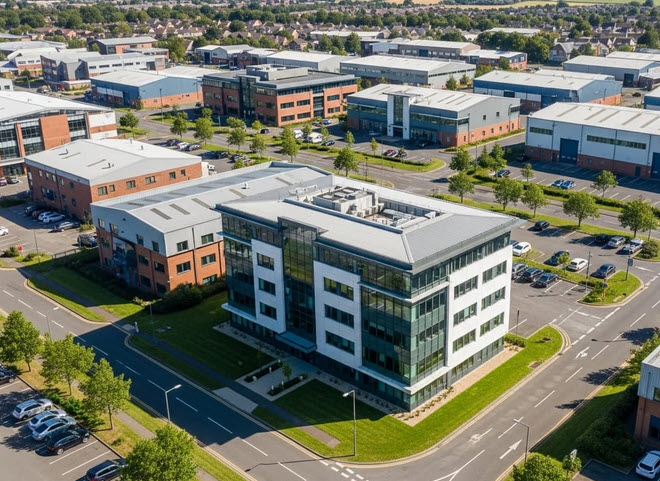
Understanding the True Cost of Commercial Building Ownership
Commercial building ownership entails financial obligations that extend far beyond the initial purchase or construction cost. The true cost of ownership involves ongoing expenditures that are often underestimated but are critical to maintaining the building’s functionality, value, and compliance with regulatory standards. These costs occur throughout the lifespan of the property and can increase significantly over time if not addressed proactively.
Regular Maintenance and Repairs
One major component of commercial building ownership is regular maintenance. Building systems such as plumbing, electrical wiring, and HVAC require periodic inspections and servicing to ensure they continue operating efficiently. Without these routine checks, small issues can escalate into costly repairs. Owners must factor in expenses like replacing aging equipment, repairing structural damage, or addressing issues like water leaks or foundation cracks.
Energy Efficiency and Utility Costs
Energy consumption is another recurring cost that impacts long-term ownership expenses. Older buildings often feature outdated systems that are inefficient and expensive to operate. Retrofitting buildings with energy-efficient systems, such as LED lighting or solar panels, can reduce utility costs but may require substantial upfront investment. Tracking energy usage with advanced monitoring tools allows owners to make informed improvements but adds to ongoing budget considerations.
Compliance with Regulations
Adhering to building codes and local regulations often incurs additional costs. Requirements may include safety inspections, fire suppression system upgrades, and accessibility improvements to meet ADA standards. Periodic updates to regulations can necessitate modifications to the property, and the costs of failing to comply can result in fines or even legal penalties.
Insurance and Liability
Insurance coverage is essential for mitigating risks associated with commercial building ownership. Policies for fire, flood, theft, or liability claims often increase annually and must account for fluctuating property values or local risk factors. Likewise, liability from incidents onsite—such as accidents involving tenants or visitors—can lead to additional unexpected costs requiring careful coverage and management.
Renovations and Modernization
Over time, commercial properties often need modernization to remain competitive in the market. Renovations may include updating interior designs, adding technological features, or upgrading materials to ensure durability. In food-prep areas, cafés, or office pantries, a kitchen tile backsplash is a simple, durable upgrade that protects walls from moisture and makes ongoing cleaning easier—helping control long-term maintenance costs.These improvement costs can be substantial, particularly if they involve major reconfigurations or addressing outdated infrastructure. Owners must prepare for these expenses in advance.
Environmental and Landscaping Concerns
Proper care of the property’s surrounding environment is an ongoing concern. Landscaping upkeep, waste management, and pest control can generate recurring costs. Additionally, buildings in areas prone to extreme weather conditions may require storm-proofing or repairs to limit environmental damage, further adding to maintenance costs.
By understanding these hidden and ongoing expenses, owners can better anticipate the true financial commitment associated with commercial building ownership. An informed approach to these costs can ensure proper budgeting and help preserve the value of the property.
Routine Maintenance Expenses: What You Need to Know
Routine maintenance expenses are a critical aspect of commercial building ownership that can significantly impact operating budgets. These recurring costs are necessary to ensure the property remains functional, safe, and compliant with regulations. Building owners must plan for these expenses to avoid unexpected financial strain and to safeguard their investment.
Key Areas of Routine Maintenance
- HVAC Systems Heating, ventilation, and air conditioning require regular servicing to ensure optimal performance. Tasks such as filter replacement, checking refrigerant levels, cleaning ducts, and inspecting components can prevent costly breakdowns and prolong system lifespan.
- Plumbing Maintenance Routine attention to plumbing systems can prevent leaks, water damage, and costly repairs. Activities like clearing drains, inspecting pipes for corrosion, and maintaining water heaters often fall under these expenses.
- Electrical Systems Commercial buildings require regular inspections of wiring, outlets, lighting systems, and circuit breakers to prevent fire hazards and ensure compliance with safety codes.
- Roof Inspection and Repairs The roof is a critical structure that protects the building from weather damage. Regular inspections for leaks, cracks, and issues with drainage systems are necessary to avoid severe damage and expensive replacement costs.Pro tip: Get A Yearly Roof Inspection To Ensure No Surprises Later On.
Periodic Inspections and Cleaning
- Fire Safety Equipment Fire alarms, extinguishers, sprinkler systems, and emergency lighting should be inspected and tested regularly to remain operational during emergencies and meet legal requirements.
- Exterior Cleaning and Landscaping Routine maintenance of building exteriors, such as power washing, window cleaning, and upkeep of landscaping, contributes to curb appeal while preventing wear and tear damage.
- Pest Control Ongoing pest management ensures the property remains free from rodents, insects, and other nuisances that could damage infrastructure and harm tenant satisfaction.
- Gutter Cleaning: Commercial buildings have a lot of square footage and as a result they collect more rain water, if your gutter systems are clogged this could mean hundreds of gallons of water getting into places they shouldn’t and causing major damage. To avoid this, we recommend getting commercial gutter cleaning 2-3x per year.
Addressing Wear and Tear
General wear and tear on flooring, paint, fixtures, and furniture should also be included in the maintenance budget. These items, while appearing minor, can accumulate substantial costs over time if neglected, impacting both functionality and aesthetics.
In commercial kitchens, break rooms, and food-prep areas, installing kitchen backsplash tiles can help protect walls from stains and moisture while reducing repainting and long-term maintenance costs.
Maintaining a detailed plan that outlines the frequency of inspections and servicing for each category is vital. Without proactive measures, repairs or replacements can escalate, causing bigger financial burdens.
Unplanned Repairs: Preparing for the Unexpected
Unplanned repairs are an inevitable aspect of commercial building ownership and can arise at any time due to unexpected circumstances. These repairs often stem from unforeseen issues such as equipment failure, structural damage, extreme weather events, or even tenant-related problems. Owners must be prepared to address such situations swiftly to prevent further damage, protect the building’s integrity, and minimize disruptions to business operations.
Key areas where unexpected repairs frequently occur include:
- HVAC System Breakdowns: Heating, ventilation, and air conditioning systems are critical for occupant comfort. Mechanical failures can be sudden and costly, especially if emergency repairs or replacements are needed. Deferred maintenance often exacerbates these problems.
- Plumbing Emergencies: Burst pipes, leaks, or flooding can cause significant damage to interiors and lead to high water bills or mold growth. Repairing or replacing defective plumbing systems quickly is essential to curbing further issues.
- Roof Damage: Severe weather conditions, such as heavy snow, high winds, or hail, can compromise the roof’s structural integrity. Repairs might range from patching leaks to complete roof replacements depending on the severity of the situation.
- Electrical Failures: Outdated wiring, overloaded circuits, or power surges can result in blackout scenarios or fire hazards. Unaddressed electrical issues create serious safety risks and may necessitate costly upgrades.
- Foundation Cracks or Settling: Subtle foundation issues can escalate into significant structural problems, jeopardizing the stability of the building. Addressing these issues as soon as they are detected is crucial.
Owners should maintain a financial cushion, such as a contingency fund, specifically for addressing unexpected repair needs. A proactive approach that includes regular inspections, predictive maintenance tools, and strong vendor relationships can mitigate the impact of sudden repair demands.
Energy Efficiency and Utility Management Costs
Energy efficiency and utility management represent critical aspects of commercial building ownership. These costs are often overlooked but can significantly affect a property’s operating budget over time. Building owners face recurring expenses associated with electricity, gas, water, and waste management services. Additionally, regulatory requirements and energy standards often mandate upgrades that impact utility expenditures further.
One primary factor influencing energy costs is the building’s mechanical systems, such as heating, ventilation, and air conditioning (HVAC) units. Inefficient or outdated HVAC systems can result in excessive energy consumption, leading to higher utility bills. Maintenance of these systems is essential to optimize energy usage, and this typically involves tasks such as filter replacements, duct cleaning, and thermostat recalibrations.
Lighting systems also play a significant role in energy efficiency. Older fluorescent lighting may require replacement with energy-efficient LED alternatives to reduce electricity consumption. The initial installation of such upgrades can be costly, but the decreased energy usage over time offsets these expenses.
Water consumption and waste management contribute to utility costs as well. Fixture leaks, outdated plumbing systems, and inefficient appliances can lead to unnecessary water loss. Implementing water-saving solutions, such as low-flow faucets and modern toilets, can improve efficiency. Furthermore, managing waste disposal contracts and ensuring compliance with local recycling regulations add to ongoing operating expenses.
Building energy audits may be required periodically to identify inefficiencies and recommend improvements. These audits, while useful, often necessitate additional expenses for both assessment and implementation. By understanding these utility and energy efficiency costs, building owners can better allocate resources to maintain overall operational effectiveness.
Hidden Costs of Landscaping and Outdoor Maintenance
Landscaping and outdoor maintenance can contribute significantly to the recurring expenses of owning a commercial building. While the visual appeal of well-maintained grounds is essential for attracting tenants and clients, this comes with numerous hidden costs that property owners must anticipate.
Regular lawn care services, including mowing, fertilizing, aeration, and reseeding, are necessary to ensure healthy grass coverage. Additional costs may arise during seasonal changes, such as leaf removal in autumn or snow removal in winter. Hardscape maintenance—including cleaning, pressure washing, and sealing of walkways, patios, or parking areas—also adds to the upkeep.
Tree and shrub care requires regular attention to prevent overgrowth and maintain safety. Pruning, pest control, and the occasional tree removal or stump grinding contribute to these costs. Furthermore, irrigation systems need regular inspections, repairs, and seasonal adjustments. A malfunctioning irrigation system can result in water wastage and higher utility bills.
Property owners may also face city or local regulations regarding outdoor areas. Compliance costs could include tree planting mandates, erosion control measures, or handling drainage systems. Delays or violations may incur additional expenses, including fines or rework fees.
Outdoor lighting and signage also require ongoing care. Regular bulb replacement, electrical repairs, and weatherproofing are indispensable to keep these fixtures functional and visually appealing. Additionally, decorative features like fountains or retaining walls demand occasional repairs and preventive maintenance.
Environmental factors such as droughts, flooding, or extreme weather conditions can escalate these expenses unpredictably. Restoring damaged vegetation or structures often leads to significant unplanned expenditures. These ongoing challenges make it crucial to budget adequately for landscaping and outdoor maintenance.
Technology and Security System Upgrades
Commercial building ownership involves keeping pace with advancing technology and security needs. In today’s highly digitalized world, outdated systems can be a hidden expense, requiring periodic upgrades to ensure efficiency, compliance, and safety. Building owners must factor in the costs of maintaining modern technology to keep their property competitive and secure.
Common Technology Upgrades to Consider
- Access Control Systems: Older key-based locks are increasingly replaced by sophisticated access control systems using biometric authentication, keycards, or mobile-based technology. These systems demand regular software updates and occasional hardware replacements.
- Building Management Systems (BMS): To optimize energy usage and monitor systems like HVAC, lighting, and water usage, BMS solutions are evolving. Upgrades often entail installing new sensors, upgrading software, or integrating IoT solutions for better performance.
- Internet Connectivity Infrastructure: Many tenants expect fast, reliable internet service. Building owners may need to invest in fiber-optic cables, Wi-Fi network enhancements, or even dedicated data centers to meet demand.
Security System Enhancements
Maintaining security is paramount for any commercial building. Evolving threats, both physical and cyber, push owners to implement robust solutions.
- Camera Systems: High-definition cameras with AI analytics now replace basic surveillance cameras. Continuous improvements in resolution, storage capabilities, and monitoring tools require periodic investments.
- Cybersecurity Measures: Buildings equipped with smart technologies face increasing risks of cyberattacks. Regular penetration testing, software updates, and installation of firewalls or encryption tools are vital.
- Alarm Systems: Integrating wireless alarms, smart sensors, and remote monitoring features allows property owners to identify threats quickly. These upgrades also increase tenant confidence and reduce liability risks.
Tips for Effectively Budgeting for Maintenance Expenses
Maintaining a commercial building requires meticulous financial planning to avoid unexpected expenses. Budgeting effectively for ongoing maintenance can prevent costly disruptions and ensure the property remains functional and efficient. Here are several tips to manage maintenance expenses either proactively or strategically:
1. Conduct a Comprehensive Building Assessment
- Evaluate the property’s current condition, including structural elements, electrical systems, HVAC units, plumbing, and exterior features.
- Identify components that may require frequent repairs or replacement based on their age or usage level.
- Establish a prioritized list of areas needing attention, which can guide resource allocation for maintenance spending.
2. Categorize Maintenance Costs
- Break down expenses into preventive maintenance, minor repairs, and major replacements to ensure funds are allocated accordingly.
- Plan separately for seasonal expenditures, such as snow removal in winter or landscaping costs during warmer months.
- Review historical financial data to identify patterns in maintenance costs and use it for future projections.
3. Allocate Funds for Unforeseen Repairs
- Create an emergency reserve fund specifically for unexpected repairs, such as a leaking roof or a sudden plumbing failure.
- Assess industry norms and set aside a percentage of annual property income for these unanticipated expenses.
4. Utilize Technology for Improvement
- Invest in software to track maintenance schedules, monitor costs, and set reminders for preventive maintenance tasks.
- Using tech tools can help efficiently anticipate expenses and avoid delays in addressing potential problems.
5. Work with Professional Inspectors
- Schedule regular professional evaluations of the building to identify issues early.
- Inspectors can provide insights on potential wear and tear or safety hazards, which assists in planning repairs before the costs escalate.
6. Negotiate Service Contracts
- Establish long-term contracts with service providers for HVAC, plumbing, and electrical system maintenance. Bulk agreements often reduce per-service costs.
- Compare maintenance providers and request quotes to secure competitive rates without sacrificing quality.
7. Incorporate Long-Term Goals
- Factor in capital improvements, such as energy-efficient upgrades or modernized equipment, to reduce operating expenses over time.
- Plan maintenance in alignment with long-term strategies to boost building value while controlling costs.
8. Review Budget Regularly
- Revisit the maintenance budget periodically in response to fluctuating material costs, labor rates, or changes in occupancy patterns.
- Adjust allocations to ensure alignment with the actual needs of the property and the market.
By implementing these strategies, property owners can better anticipate regular and unexpected maintenance expenditures, reducing financial strain and safeguarding the longevity of their commercial building assets.
Key Takeaways and Final Thoughts on Hidden Costs
Commercial building ownership comes with a myriad of hidden costs that extend beyond the initial purchase price or mortgage payments. Owners often encounter ongoing maintenance obligations that can escalate over time, impacting profitability and financial planning. Recognizing these potential expenses can aid in better budgeting and long-term decision-making.
Unexpected Maintenance Challenges
- Structural Repairs: Issues like foundation cracks, roof leaks, or aging support beams may require unexpected interventions that demand substantial investment.
- HVAC System Wear and Tear: Heating, ventilation, and air conditioning systems often face periodic breakdowns or performance reductions. These systems may require regular servicing, filter replacements, or even full system upgrades.
- Plumbing System Decline: Older buildings could be prone to plumbing issues, such as pipe corrosion or inefficient water fixtures, leading to increased water costs and repair bills.
- Electrical Upgrades: With changing technologies, older electrical systems may need upgrading to accommodate modern energy demands, increasing maintenance costs.
Recurring Operational Expenses
- Utility Costs: Utilities such as electricity and water may vary monthly and rise significantly during periods of high use, especially if systems are outdated or inefficient.
- Safety Compliance: Regular inspections to ensure compliance with safety, fire codes, or environmental regulations can trigger costs for repairs or upgrades dictated by new standards.
- Commercial Insurance Premiums: Coverage for commercial properties can increase based on risk factors and unexpected ownership liabilities.
Proactive Measures to Mitigate Costs
- Performing routine inspections can help identify problems early, reducing the financial burden of more significant, unexpected repairs.
- Investing in energy-efficient upgrades and eco-friendly systems can lower long-term operating costs while improving building sustainability.
- Allocating a reserve fund specifically for maintenance and repairs ensures access to financial resources when needed.
Vendor and Professional Fees
- Contracting reliable property management companies and commercial maintenance professionals can streamline upkeep, but their services often come at a premium. Owners must weigh the benefits of outsourcing while staying mindful of costs.
Understanding these elements of hidden costs allows a more proactive approach, ensuring smoother operations and fewer surprise expenditures over the lifetime of commercial building ownership.

The 5 Best Ways to Find Business Space for Your Service Company

Finding the right business space can make or break your service company’s reputation, operations, and growth potential. Whether you’re in consulting, legal services, marketing, or property maintenance, the space you occupy speaks volumes about your professionalism and credibility. From visibility to logistics, there’s plenty to consider—and plenty of options beyond scrolling endless listings. Here are five powerful ways to land a business space that fits your brand, your budget, and your future.
1. Tap into Local Commercial Brokers
Commercial real estate brokers aren’t just for big companies—they’re goldmines of market intel and off-market opportunities. A broker specializing in your sector can help negotiate better lease terms and steer you away from properties with hidden operational pitfalls.
Why it works:
– Brokers have access to listings not publicly advertised.
– They can assess zoning, accessibility, and proximity to competitors.
– Many offer guidance through lease vs. purchase decisions.
Pro Tip: Look for brokers who’ve worked with similar service-based businesses. They’ll understand your unique flow of clients, hours of operation, and layout requirements.
2. Leverage Online Listing Platforms Strategically
Sites like ROFO offer thousands of searchable commercial properties. But instead of casting a wide net, filter with precision. Use advanced search tools to narrow by square footage, property type (office, flex space, retail), lease length, and amenities.
Optimization tips:
– Set alerts with specific keywords like “service suite,” “turnkey,” or “client-ready.”
– Examine whether properties allow interior customizations or signage.
– Cross-reference listings with local zoning maps and neighborhood reputation.
SEO Angle: Create your own content (like this post!) targeting phrases such as “best office spaces for [your service type] in [your city]” to attract landlords actively searching for tenants.
3. Explore Co-working and Shared Office Providers
For startups and small-scale service companies, shared spaces offer flexibility without long-term commitments. Providers like WeWork, Regus, and local hubs often have private offices, mail services, and client-ready conference rooms.
Ideal for:
– Businesses needing a professional front without full-time overhead.
– Early-stage ventures that want scalable space as they grow.
– Remote-first teams needing occasional in-person meetups.
Bonus: Many co-working spaces foster networking with other business owners, leading to referrals and cross-industry partnerships.
4. Network Within Your Industry and Local Chambers
Word-of-mouth still reigns in business real estate. Attend local chamber of commerce meetings, business expos, or trade associations relevant to your service niche. Building owners and current tenants often share upcoming vacancies before they’re listed publicly.
Why it matters:
– Off-market spaces often come with more negotiation flexibility.
– You’re engaging with landlords who prefer long-term tenants with referrals.
– Chambers often have exclusive access to municipal development plans, including new commercial builds.
Example: A legal tech firm may learn about underutilized floors within law office buildings looking for synergies. Likewise, a digital marketing service might tap into creative hubs looking to fill spots near design studios.
5. Partner with Property Developers and Real Estate Investors
New-build projects and under-renovation properties offer massive customization potential. Developers often seek anchor tenants early on to help shape the layout and amenities. If you have a solid business model and brand, this approach gives you influence over the final design—and potentially discounted rent.
Consider this approach if:
– You need specialized layout features like client lounges, workshop areas, or tech labs.
– You’re expanding regionally and want uniformity across locations.
– You’re willing to wait several months for a space to be ready.
How to connect: Reach out via LinkedIn, local business events, or real estate investment groups. Pitch your company as a stable, service-driven tenant with long-term upside.
Finding business space for a service company isn’t just about square footage—it’s about alignment with your goals, customer experience, and operational needs. By going beyond traditional search methods, you gain access to spaces that reflect the quality of service you provide. Whether you’re booking boardrooms or fielding clients for consultations, the right environment elevates everything.
Want help tailoring your next move to your brand, audience, or location? Let’s brainstorm space search strategies customized for your niche.
DSCR Loans: A Smart Financing Option for Real Estate Investors

What Is a DSCR Loan?
A DSCR loan—short for Debt Service Coverage Ratio loan—is a type of investment property mortgage that qualifies borrowers based on the income generated by the property, rather than the borrower’s personal income. This makes it especially attractive for:
- Real estate investors with multiple properties
- Self-employed individuals or business owners
- Borrowers with complex or inconsistent tax filings
- Foreign nationals investing in U.S. real estate
Rather than reviewing tax returns or W-2s, lenders focus on the property’s cash flow to determine loan eligibility.
How DSCR Loans Work
The Debt Service Coverage Ratio (DSCR) is a simple calculation:
DSCR = Gross Monthly Rent ÷ Monthly Mortgage Payment (PITI)
- A DSCR of 00 means the property’s income exactly covers its expenses.
- Most lenders look for a DSCR of 00 to 1.25 or higher, though some offer more flexible guidelines.
- In some cases, a DSCR below 1.00, or No Ratio, may still qualify with compensating factors, such as a strong credit score or larger down payment.
Benefits of Using a DSCR Loan
1. No Personal Income Verification
Borrowers do not need to provide tax returns, pay stubs, or employment verification—making DSCR loans ideal for investors with write-offs or irregular income.
2. Fast Approvals
With fewer documentation requirements, the underwriting process is generally faster than traditional loans.
3. Scalable for Portfolio Growth
Investors can use DSCR loans to purchase multiple properties, often with more flexible exposure limits than standard Fannie Mae or Freddie Mac guidelines.
4. Ideal for Rental Market
High demand for short-term and long-term rentals in neighborhoods makes DSCR loans well-suited for investment landscape.
DSCR Loan Requirements
While guidelines vary by lender, common requirements include:
- Minimum credit score (typically 660–680 or higher)
- Down payment of 20–25% (some lenders offer lower options)
- Property appraisal with market rent analysis
- DSCR typically ≥ 1.00
- Cash reserves may be required depending on the loan size
Eligible Property Types
DSCR loans can be used to finance:
- Single-family rentals
- Condominiums and townhomes (subject to condo association review)
- 2–4 unit multi-family properties
- Short-term rentals (Airbnb/VRBO) in approved zones
- Mixed-use properties (in some cases)
An Example
Miami’s Real Estate Heatwave: Why DSCR Loans Are Fueling Investor Success
Miami remains a magnet for real estate investors, consistently ranking among the hottest markets in the U.S. Domestic buyers and international investors alike are flocking to the area, drawn by strong rental demand, upward-trending property values, and the city’s reputation as a dynamic economic hub.
For those aiming to grow a portfolio of income-producing properties, the Debt Service Coverage Ratio (DSCR) loan is emerging as a strategic financing option. Unlike traditional mortgages that rely heavily on personal income verification, DSCR loans focus on the cash flow generated by the property itself. This allows investors to qualify based on rental income projections rather than personal earnings, making the process faster, more flexible, and scalable.
Why is this a game-changer for real estate investors? With Miami’s competitive rental market and strong appreciation trends, DSCR financing provides a streamlined path to portfolio growth. Investors can focus on identifying high-yield properties, optimizing returns, and scaling their holdings—all without the typical hurdles tied to personal financial documentation.
Whether you’re acquiring your first investment condo or expanding into multifamily units, DSCR loans in Miami enable a simplified route to building long-term wealth in one of the nation’s most lucrative real estate environments.
Choosing the Right Property Management: A Complete Guide

For a landlord or investor, managing a property single-handedly can be an incredibly difficult job. From the never-ending list of tasks, starting from advertising the unit and screening applicants, performing maintenance, and being aware of the rental laws, there is always something that would need your immediate attention.
Property management companies help solve this problem. In Boston, things can get even more complicated with the city’s unique regulations combined with its ever-active rental market.
Read this guide as we aim to assist you in figuring out the importance of property management, how to make the selection, and the most important steps on why to ask before choosing one.
Why Property Management Is Essential for Landlords
For those who may not know, managing a rental property is no easy feat. From maintenance to ensuring all legal prerequisites are met, a landlord has a lot to keep track of and comply with.
As someone who manages multiple properties or is simply busy, it is all too easy to lose control of day-to-day processes. Good thing for landlords, there is no need to worry since there are companies that specialize in property management.
These companies will ensure that the operations of your rental property business will run smoothly on a day-to-day basis. For example, they will make certain to screen potential tenants while also adhering to the multifaceted rental laws and policies related to Boston.
It is especially common for most landlords to grapple with tenants who tend to pay rent late, struggle with uncooperative tenants, or face legal issues. Let a company take care of these issues so you can focus on other more important matters.
How to Choose the Best Property Management Company
When deciding how to improve the management of your rental property, it’s crucial to choose a property management company that aligns with your goals and expectations. This makes it important to list down your goals alongside the property manager’s past experience and range of services offered in order to come to the right conclusion.
Here’s a closer look at how to choose the best property management company for your asset:
Experience and Reputation
Always ensure a company has a good reputation and solid reviews on property management. Conduct a broad search online to check reviews, ask other landlords, and see if they have handled properties similar to yours in the past.
Having years of experience on the belt of a company is good as they will be able to tackle issues efficiently while still keeping reliability as their top priority. It would also be ideal to see if they focus on the Boston rental market, since having knowledge of the local trends and tenant needs will only make your property more appealing.
Knowledge of Local Laws
Boston has various laws surrounding rentals and leases. When choosing property managers in Boston, it’s important to find someone who understands the local rental market and regulations.
on from expensive disputes while ensuring that your tenants are given the security they need. Ask them how they ensure to remain updated on the Boston laws while being legally focused. This, in return, will allow a more precise decision to be made.
Communication and Transparency
A property manager is expected to focus and prioritize the needs of landlords, tenants, and the rental property. Seek a person with outstanding public relations ethics who is keen on ensuring that you are well updated on the status of your property.
From giving information, updating, sending reports on finances, and handling rent payments from new tenants, their openness builds trust. You will want to steer clear of hidden fees and a lack of honesty.
Range of Services
Factors like rental or marketing strategy might change depending on the property management company. With such variety, it is relevant to understand whether they cover tenant screening, maintenance issues, legal documentation, and marketing activities. Do they help with the collection of rents and emergency repairs?
Ultimately, it is useful for landlords in Boston to understand these factors when picking a property management company to ensure their needs are met excellently.
Choosing the Right Commercial Property for Your Business
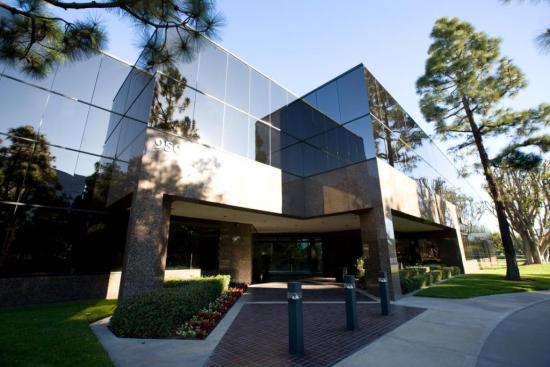
As a business owner, you can work from anywhere you’d like. However, if you want your business to grow, separate your business from your home, and employ a large team to help you, you will likely need a commercial office space for convenience. You’ll need to find the perfect space to grow your business, particularly for your industry. You’ll need a location that offers continuous demand from both residential and commercial clients in the long term. If you’re ready to take the plunge and choose the best property for your business, you will want to familiarize yourself with the smartest steps to take and what features to consider first.
Prepare Your Business
Before you choose the location for your business, you’ll want to ensure you’ve adequately prepared and earned qualifications. Many industries require professional licensing, especially if you own a business.
Plumbing
Plumbers are one of the many skilled trades that require licensing in most states. In Massachusetts, you’ll need to prepare for and take a plumbing exam to receive a license before taking on commercial work. In California, you need to provide proof of four years’ of experience in the plumbing field. Florida requires a certain credit score—660 or higher. Look up your state’s requirements to see what you need to do. If you own and operate a plumbing business where you oversee employees, you will likely need a master-level plumbing license, which usually has stricter requirements. Licensing is very important; cutting corners can cost you your business! You’ll also want to ascertain that the location you choose properly adheres to any zoning laws and regulations for commercial real estate. Once everything is secured and confirmed, you can proceed with finding an office that meets your business’s plumbing-related needs.
Hair Salon
If you’re looking to buy a property for your hair salon, you can’t just bring your favorite shears and get started. You will need a business license, and you’re going to need a cosmetology license in most states. North Carolina requires passing an exam and completing 1,500 hours in an educational program. In states like Michigan, a two-year apprenticeship can replace the required school hours. Similar to plumbing licenses, you’re going to need to research your state’s cosmetology license requirements to buy a legal and safe hair salon.
Coffee Shop
While a coffee shop is a fun business idea, you’ll need a lot of licensing to start one, as you’ll be handling people’s food. Business licenses, food service or handler licensing, and liquor licensing (if applicable) are typically the minimum requirements in most states. Some states, like North Carolina, may require a Certificate of Occupancy as well. A lot goes into opening any food service business, so preparation is crucial.
Plenty of Desk Space
As a business owner, you will likely get plenty of phone calls, emails, and paperwork for your work projects. You and any employees you hire will need plenty of room for office equipment and desk space to take on client concerns and new projects. Your office space should have room for public or private desks, copiers, fax machines, computers, and more. A cramped office space may be frustrating for you, your employees, and your customers.
Adequate Vehicle Parking
Many businesses often manage commercial vehicles to travel to each job. These vehicles will need a protected space on your property when not in use. Clients, employees, and affiliates will likely need a space to park as well. You’ll want a large parking lot as a start, but fencing or covered protection may be ideal during inclement weather. Take note of the parking space in any office you’re considering. Is there room for employee vehicles? Is there adequate security? Is there space for more large parking spots if there isn’t enough already?
Equipment Storage
Most businesses need a lot of equipment and tools to serve many clients, especially in construction or trade fields. These tools can take up valuable office space and often require frequent maintenance and storage. Look for a workshop or small warehouse where you can sufficiently store, clean, and maintain your equipment if applicable. Office space isn’t the only aspect to consider when choosing the right commercial real estate.
Phone and Internet Hookups
You will need to be able to connect your office phones and computers to the internet to take client calls and messages, especially for service-oriented businesses. Make sure there are accessible internet hookups in the space you’re looking at. You can always install internet access, but it can take extra time and money that you may not want to wait for. Before signing any lease or deed, make sure you get estimates about internet access.
Room for Growth
When you’re hunting for the perfect office, you don’t want to only consider the current size of your business. You’ll want to be able to grow sufficiently into the space. If the office only fits your current team, you may want to choose elsewhere. Your business may grow with continued success, and you’ll want to be able to expand without moving each time. Make sure the space is a comfortable size for your current and future business goals.
Foot Traffic
While some businesses don’t need to rely on foot traffic to get customers, it’s never a bad idea to consider the location of your office. If clients can easily see your signage and access your building, it may boost the amount of clients you receive. Your office’s location alone can be a great marketing tool. While you don’t want to choose an inadequate space just because it’s in a highly visible location, don’t be afraid to keep your storefront accessibility in mind.
Conclusion
Once you’ve confirmed a particular location’s adherence to zoning laws, there’s no wrong decision as long as it meets your business’s needs. If you need to sell an existing property before securing a new one, working with trusted land buyers can help you streamline the process and access funds for your next investment. Consider your team size, growth plans, budget, and needs out of a commercial space before choosing. You can rent a space for more flexibility and short-term needs, or you can purchase a space to invest in your business in the long term. By carefully evaluating your business’s goals and comparing it to your commercial real estate options, you can make the most informed decision that sets your business up for success.
Common Security Deposit Problems and Solutions

Security deposits and security deposit alternatives, as part of signing a rental agreement, are incredibly important for all parties involved, both the landlord and tenant. They protect the landlords financially in case of any damages, rent defaults, or costs incurred for cleaning the property.
For the tenants, security deposits are a form of law that binds them to care for the rental property and holds them accountable for their actions. However, there are instances where both parties can have conflicts with respect to the security deposit which leads to confusion.
By reading through this article you’ll be able to identify the common security deposit issues and ways to efficiently resolve them.
Purpose of Security Deposit in the Rental Agreement
To put it bluntly, the security deposit protects landlords as it covers possible expenses related to the rental unit, such as damage, outstanding amounts of rent, or occasions when tenants require a thorough cleaning. This will help ensure that the property is returned to the owner in the appropriate condition and that any potential losses suffered are reduced.
For tenants, security deposits become a settlement requirement which serves to create an obligation for rental clients not to damage property beyond certain limits as they will lose the money. It also gives them the satisfaction of knowing that money is put aside for some eventualities.
To put it simply, a security deposit serves as a protective measure for landlords and a legal obligation from tenants. Once paid, the landlord should also provide details about how the security deposit will be used and returned.
Common Security Deposit Problems
Disagreements between tenants and landlords can stem from any of several concerns related to the security deposit. Understanding each concern and setting rules for it can minimize the likelihood of disputes.
Normal Wear and Tear vs. Damage
A common issue surrounds distinguishing normal wear and tear and man-made damage. Normal wear and tear describes what is normally expected to occur in a building after several years of use. For instance, an age-old painting that has paint that has faded or a carpet that has suffered from constant usage.
Man-made damage on the other hand is the result of negligent handling or rough usage of the rented property like holes in the walls or even loss of fixtures. It is the duty of the landlord to provide an explanation with the lease of what could be considered normal wear and tear and man-made damage.
*Note: Bay Property Management Group Atlanta can assist landlords with documentation in case there is proven damage to the property.
Cleaning Disputes
Cleaning disputes arise when tenants are vacating homes. They may have left the house untidy and unclean to a landlord’s standard, so an amount is deducted from the security deposit.
To avoid this from happening, we recommend that landlords provide a cleaning checklist in anticipation of the moving-out process, as well as provide room-by-room specifications of where attention is needed to ensure job satisfaction. From this, there was no issue with cleaning appliances, scrubbing bathrooms, and sharpening vacuums for carpet cleaning.
Also, open communication and giving tenants the chance to resolve the issue before making any cuts can assist in settling such disputes amicably.
Late Rent Payments
Late rent payments may also limit the use of the security deposit. If a tenant remits the rent late, the landlords will be forced to use the security deposit without the tenant’s consent.
However, taking rent out of the security deposit can lead to more issues down the line, especially when it’s time to end the lease. So, it is very important that landlords should exercise caution and have clear policies on late payments.
Make sure to get every payment or lack thereof paid with its appropriate receipts to lessen issues regarding any late rent.
Solutions Landlords Can Implement
Addressing common security deposit issues proactively can help landlords and tenants maintain a positive relationship. Failing to de-escalate the issue can result in eviction and landlords relisting the real estate property on the market again.
Below are some effective methods to resolve the problems:
Detailed Move-In/Move-Out Inspection Checklist
Combining and documenting move-in and move-out inspections provides a valuable tool in preventing allegations and disputes regarding the condition of the rental. A properly documented inspection must include a checklist form covering the specific rental unit’s walls, floors, appliances, and fixtures.
The checklist should be physically available during the move-in inspection by both tenant and landlord, and their representative should take photographs as evidence while they mark every item. This helps to ensure that any existing damages are recorded.
This approach enables the move-out inspection to evaluate the previous checklist, which facilitates a comparison between the condition of the building before the lease was signed and after its termination. Such discrepancy allows for the identification of damages, if any, that require the use of the security deposit for repairs.
Encourage Open and Clear Communication
To circumvent the majority of the security deposit problems, landlords and tenants should communicate in an open and transparent manner. From the outset, landlords should outline their communication strategy with the tenants and reassure them with lines that allow tenants to share their issues with ease.
This can be achieved by basic things such as regular calls, sharing contact details, and responding to tenants’ questions. Effective communication ensures the use of common sense on both sides of the relationship, thereby preventing any issues from arising in the first place.
If landlords could provide tenants with a thorough understanding of the norms of security deposit usage, including maintenance and cleaning duties for the apartments, tenants would be able to cooperate easily.
Track Record of All Payments
It is vital that both landlords and their tenants maintain accurate records of all transactions made. As mentioned before, records of rent, security deposits, and other deductions should be well-kept by the landlords.
One may use property management tools or simple spreadsheets to record this information. At a minimum, every record should include the date, amount, and reason for the transaction. To help build trust, providing tenants with receipts when they pay rent or a summary of their user accounts could help.
The written accounts of all the payments and progress made for a certain task will serve as proof and will come in handy to settle any disputes that may arise.
Importance of Understanding the Lease Agreement
For landlords and tenants, understanding the lease agreement is essential in minimizing disagreements when renting. The agreement specifies the duties of both parties as well as details about security deposits.
Set out clearly the circumstances where and where deductions cannot be made, in what circumstances the deposit may be returned, and how long it will take to return it. Tenants should always read the lease agreement well to know their rights and legal obligations to avoid nasty confrontations and disputes.
It’s also important for tenants to ask questions about the lease if any part is unclear, and afterward, they can keep a signed copy. Landlords ought to make the agreement encompassing every facet of the renting relationship simple and easy to understand.
Updating the lease agreement every now and then to the local requirements will also assist in minimizing renting conflicts and promoting positive renting relations between the two parties.
Conclusion
In order to avoid disputes, it is essential that landlords and tenants are on the same page regarding the purpose of the security deposit as well as its management. Being aware of the tenant’s ongoing issues such as cleaning requirements or repair jobs would greatly lessen misunderstandings while also preserving the relationship between the two parties.
Wording things correctly, recording communications, and performing appropriate due diligence all serve to alleviate issues “before they arise.” More specifically, they are beneficial to the management of the relationships between tenants and landlords as well as the disputes that stem from them.
Relocating Your Business: A Guide to Navigating Commercial Real Estate Listing Sites

Moving your enterprise is a major job that requires not just a plan but also a well-executed series of steps. Of course, one of the most crucial aspects of this whole affair is relocating to a suitable new space. Commercial real estate listing services have transformed the manner in which businesses seek and secure new spaces. These web-based platforms themselves are not difficult to use. Still, a good user experience is only half the equation for finding a good space; the other half is knowing your company’s needs and using that knowledge to inform your search and your choices. So before you dive into the search or start poking around in the platforms, I strongly recommend taking some time to flesh out the specific wishes and requirements that your company has for its new space.
Choose the right platform: ROFO.com is a platform that connects business owners with commercial real estate professionals and helps them find office and meeting room spaces.
Here are some of the reasons why ROFO.com might be a good source for finding your next business location:
- Connect with commercial real estate professionals: ROFO allows you to find brokers and agents in your area who specialize in commercial real estate. This can be helpful if you need assistance navigating the leasing process or finding properties that meet your specific needs.
- Browse listings by market activity: You can browse listings by zip code or region to see what kind of properties are available in your target market. This can give you a good sense of pricing trends and what types of spaces are in demand.
- Track market activity: ROFO allows you to keep track of new listings, pricing, and transactions. This information can be helpful when negotiating a lease with a landlord.
- Social features: ROFO has social features that allow you to share listings with others and get recommendations on agents or brokers.
Amenities: Make sure the property has the essential amenities needed for your business, like high-speed internet and adequate parking. Check the building security and any on-site amenities that might be beneficial, like a gym or cafe, ensuring that the SRO is an allusive ground for your potential workers if it comes to that. Zoning: Verify that the property conforms to your business type, as well as any local, state, or federal regulations. If you work in an industry with a dubious reputation, such as an adult services business or a licensed marijuana seller, make sure the property won’t be tormented by prying eyes or have a sheriff’s deputy camped out across the street.
Examine the activity in your target market: You can examine listings by area to understand the kinds of properties being marketed there. Listings can be filtered by price range, allowing you to see what’s available in your budget, and they can also be filtered by type of property: commercial spaces, offices, retail space, etc. If you have a potential site in mind, you can examine the property path activity for that site to see what the deal flow looks like. Is your potential site being leased or sold? If your potential site is listed as an active property, it’s a good indicator that the kinds of listings you care about in that area have momentum.
Property Type: Choose the correct property type (office, retail, industrial, etc.). Size: Enter your required minimum and maximum square footage. Price Range: Set the budget parameters. Amenities: Filter by specific requirements, like necessary parking, loading docks, and on-site services. Keywords: Use relevant keywords to find properties that match your specific needs (e.g., “high ceilings,” “creative office space”). Property Research: Once you’ve identified potential sites, conduct thorough research on each. Visit the Property: Schedule a North Face trip to each property to assess its condition, layout, and the surrounding area; review the site with a critical eye. Lease Agreements: Carefully examine all the required terms and provisions of the lease. Make sure you really understand what is and is not allowed. Pay close attention to rent, duration, and maintenance provisions. Consider your responsibilities if you have to move at the end of the lease.
Look into the landlord: An investigation into a landlord’s reputation and their way of dealing with tenants can go a long way toward ensuring that you don’t end up stuck in an unpleasant situation.
Be sure to understand your local market: You need to know your local market well enough to determine whether the proposed rental agreement makes sense.
Get a commercial real estate broker to help you: Find a local commercial real estate broker to assist you in the process.and in the negotiations. Your leverage is determined by how well you know the market, how desirable your business is, and how well-off you are financially.
Compromise may be necessary: You may have to yield on some terms while holding steadfast to the critical ones that matter most to you. If you must negotiate, do so with an aim to achieve a win-win outcome. This is a critical time for your company as you look to forge a long-term path for its future. Focusing on the above items will help ensure that the relocation is beneficial for both you and the landlord over the long term. It’s a lot to think about, and it could be helpful to work through the details with your legal and financial professionals.
By following these best practices and leveraging the power of commercial real estate listing sites, you can streamline your business relocation process and find the ideal space for your company to thrive. Remember to clearly define your needs, conduct thorough research, and negotiate effectively to secure the best possible outcome for your business.
Disclaimer: This blog post is for informational purposes only and does not constitute legal or financial advice. Consult with qualified professionals for guidance specific to your situation.
ROFO Beyond Bricks: Strategies for Business Success

For decades, ROFO.com has been a resource you could trust for finding the perfect commercial location. If you were an entrepreneur of any stripe trying to establish a physical presence for your business, ROFO and its friendly, supportive interface were like a helpful neighbor leading you to the right storefront. But the business landscape keeps changing in ways that affect all of us, and at ROFO, we’re not standing still. Today, we are excited to announce the launch of:
ROFO Beyond Bricks: Strategies for Business Success.
Stretching Beyond the Material Frontiers
ROFO Beyond Bricks is a platform we have just launched at ROFO.com to provide insightful resources and guidance in the specialized area of helping companies like yours break into new markets and opportunities. It is all part of a strategy to go well beyond the standard of care we provide to clients in the classic real estate transaction. We want to help you with the insights and resources to break into new territories and serve your business well.
What Will You Find Waiting at ROFO Beyond Bricks?
ROFO Beyond Bricks will gather under one roof a smorgasbord of riches intended to yield your successful business. What follows is just a fraction of what you’ll find. First, there will be plenty of informative articles and guides. These will be insightful and often span the kinds of lengths that allow for depth without verbosity. They’ll toss around a wide variety of business topics as bait to hook your interest. Among the business-related subjects they’ll cover will be at least one marketing strategy surely destined to inspire you with its originality. The articles and guides will be so readable that the online experience will be virtually indistinguishable from experiencing a face-to-face conversation with the author. Then, too, you will find interviews with honest-to-goodness industry leaders and marketing-savvy entrepreneurs.
Why Use ROFO Beyond Bricks?
Our newly re-launched platform offers unparalleled benefits for its participants: *
- Stay Informed: While the commercial real estate industry may not be the fastest to adopt new digital trends, it is crucial for professionals operating within the space to be aware of emerging technologies that promise to change the nature of business. This is about not just surviving but thriving in the digital age.
- Access Valuable Resources: ROFO Beyond Bricks will serve as a platform for offering not just advice but also the direct resources that entrepreneurs need to succeed.
Your Success is Our Success
At ROFO, we believe that your success is our success. That’s why we’ve launched ROFO Beyond Bricks. We want to empower you with the tools, knowledge, and support necessary to build a business that thrives beyond both you and its physical location. Whether you’re looking for the ideal commercial space on ROFO.com or seeking expert counsel, ROFO Beyond Bricks is here to serve you. Pay us a visit today, and we’re sure you’ll find a bevy of resources that’ll do nothing but good for you and your entrepreneurial dreams!
Still Here for Your Commercial Real Estate Needs
We are still here to help with your commercial real estate needs. We still provide a focused and enhanced means of searching for your next commercial real estate space. Acquiring commercial space is not nearly as easy as booking a hotel room. Once you have the right space in mind, you must then locate the right landlord or sub-landlord who can meet your very particular and vital business, space, and location requirements. If you are like most businesses, you likely don’t do this often, which makes the search even more difficult when the time finally arrives. ROFO represents an alternative that works well with both soft and hard searches. Its engine returns results quickly and precisely, using the right criteria to pull in the appropriate properties and the right contacts.
These professionals are much like you, they are seeking to forge qualified connections.
- ROFO provides you with a simple, efficient portal into your local commercial real estate market.
- And even if you need office space, part time or otherwise? Or if your search is for an ideal new retail location?
- An industrial, manufacturing, or co-working space?
- Or perhaps what you need is a virtual office?
Whatever it is you’re after, ROFO is your surefire way to find the local residential market’s “it” space.
The Easy Way to find Commercial Real Estate
The Easy Way to find Commercial Real Estate