Archive for the ‘Business Intelligence’ Category
Top Real Estate Agents: Best Realtors for Gated Communities in Palm Beach County

Although our focus is on commercial real estate, we though this post would be of interest due to the volume and value of sales; $6.1 billion in gated sales last year.
Palm Beach County’s gated enclaves feel like private resorts—guard posts, leafy boulevards, and five-star clubhouses. Yet every community enforces its own fees, pet limits, and even paint colors, so the agent you pick determines whether you breeze through the gate or idle at the kiosk.
Demand is scorching: the county’s 25 busiest Realtors closed $6.1 billion in gated sales last year, with one broker alone logging $636 million inside a single neighborhood, according to a March 2025 Real Deal ranking.
The market is vibrant, the rules are tricky, and you need a specialist who speaks fluent HOA. The seven pros below do exactly that—handing you the keys with confidence.
Quick-scan: which agent fits your gate?
We promised you specialists, not a phone-book pile of business cards. Before we dive into full profiles, here’s a rapid look at who works where and why that matters.
Each name below links to thousands of gated-community closings; one record even crosses the nine-figure mark. We trimmed the noise to five datapoints you actually care about: focus, experience, sales, reputation, and proof.
| Realtor / team | Gated-community specialty | Years in niche | 2021–2024 gated sales | Average review score |
| SquareFoot Homes (county-wide) | Family and luxury communities from Arden to Boca Bridges | 10+ (team) | about 50 closings across multiple neighborhoods | 4.9★ |
| David W. Roberts (Boca Raton) | Ultra-luxury Royal Palm Yacht & Country Club only | 40+ | $636 million in 2024 | 5.0★ |
| Eric Telchin Group (West Palm) | Ibis Golf & Country Club plus other 33412 golf communities | 15 | 200+ deals; more than 1,000 career sales in Ibis | 5.0★ |
| Jeffrey Katz Group (Boynton) | 55-plus Valencia active-adult communities | 20 | over $325 million sold | 5.0★ |
| Tricoli Team (KW) | Mid-market family HOAs county-wide | 20 | 300+ transactions | 5.0★ |
| Alex & Margot Platt (Compass) | New-build luxury (Lotus, Bridges) | 8 | 60+ high-end sales | 5.0★ |
| Martha Jolicoeur (Elliman) | Wellington equestrian estates | 15 | 80+ barn-ready estates | 5.0★ |
Browse the grid, match an agent to your lifestyle, and read on to see how each professional clears hurdles that keep average agents parked at the gate.

1. SquareFoot Homes Real Estate Group – your county-wide gatekeepers

SquareFoot Homes Real Estate Group website screenshot
1. SquareFoot Homes Real Estate Group – your county-wide gatekeepers
Picture a concierge desk that stretches from Boca Raton to Jupiter. That is SquareFoot Homes. The boutique team lives inside the communities they sell, with one agent in Boca Bridges and another in Arden, so they trade first-hand intel rather than recycled market reports.
Because they serve the whole county, they spot trends others miss: HOAs that quietly raised security dues last quarter, golf clubs cutting initiation fees, and neighborhoods where resale values surge after a clubhouse refresh. They feed that insight into a tech-smart portal that filters listings by lifestyle—golf, 55-plus, waterfront—and flags fee changes overnight.
Reach never dilutes results. The team closed about fifty gated transactions in the past three years, ranging from starter HOAs to eight-figure estates. Repeat clients echo the same praise: “They made three sales feel like one smooth ride.” If you want choices across the map without juggling multiple agents, start here.
2. David W. Roberts – King of Royal Palm

Step inside Royal Palm Yacht and Country Club and one name echoes louder than the hum of golf carts: David W. Roberts. He has walked these streets for more than forty years, first as a resident, then as the broker who reset local record prices.
Royal Palm Properties and David W. Roberts website screenshot
In 2024 alone he guided $636 million in on-market sales, every dollar inside this single guard-gated enclave. Clients say Roberts can quote lot elevations from memory; appraisers call him for comparable data. That mastery pays off. When a teardown sold for thirty-six million, he handled both sides and defended value no spreadsheet could capture.
Royal Palm follows bespoke rules—equity memberships, marina-slip lotteries, architectural reviews with surgical precision. Roberts knows every key holder and the nuance of each bylaw. Hire him and you tap a resident network that secures permits, tee times, and seawall inspections before most agents print brochures.
If your target is Boca’s most exclusive gate, skip the learning curve. Roberts already wrote the syllabus.
3. Eric Telchin Group – the Ibis insider
Drive through the gates of Ibis Golf and Country Club and odds are the listing you pass belongs to Eric Telchin. His signs may be common as palmettos, but his method is all precision. Telchin has logged more than 1,000 Ibis closings, a record built on meticulous data and neighborly follow-through.
He tracks every sale, price shift, and membership tweak in a private spreadsheet that dwarfs the MLS. Sellers lean on those numbers to capture extra value from upgraded kitchens; buyers use them to time offers around seasonal inventory bumps. That focus placed his team third in the county for transaction sides last year while keeping a perfect five-star rating intact.
Living inside the 33412 ZIP keeps Telchin ahead of rule changes. He knows which sub-HOA will repave roads or raise capital contributions and hands clients a cheat sheet before each tour, saving them from fee surprises. After closing, he is first to invite newcomers for a quick nine or a Friday clubhouse buffet. Service continues long after the ink dries, which is why families return when it is time to upsize or downsize inside the gates.
Shopping for a golf-centric lifestyle north of West Palm? Telchin already has the tee sheet ready.
4. Jeffrey Katz Group – the 55-plus matchmakers
Active-adult buyers want more than square footage. They want pickleball leagues, grand-kid rules, and an HOA that trims hedges while they travel. Jeffrey Katz has turned those wishes into more than $325 million in closed sales across the Valencia series and other 55-plus enclaves.
His website feels like a retirement concierge desk: side-by-side fee charts, amenity videos, and comparison grids of pet policies. New clients arrive having streamed every walkthrough, then rely on Katz to decode the fine print. He guides them through age-restriction affidavits, clubhouse equity options, and the lesser-known rule that some HOAs limit overnight guests under eighteen.
Patience is his edge. Reviews read like thank-you notes—snowbirds grateful for sunrise webcam screenshots, widowers thankful for lenders who understand fixed-income underwriting. Because Katz tracks resale velocity in each Valencia phase, he alerts sellers when a neighbor’s pending renovation might distort comps, guarding equity before the listing hits MLS.
If your next chapter includes sunshine without yard work, Katz turns red tape into a welcome-home ribbon.
5. Tricoli Team – review-backed hustle for growing families
Gated living is not always about chandeliers and marble. Sometimes it is a safe cul-de-sac where bikes roam and the PTA meets at the clubhouse. For that slice of suburbia, families trust Jeff Tricoli’s Keller Williams squad.
Two thousand five-star reviews tell the story: constant availability and data-driven pricing. Tricoli agents cover the county daily, moving from Canyon Trails to Nautica Lakes with clockwork efficiency. The effort pays off. They have logged more than three hundred gated closings across price points, spotting appraisal traps and HOA quirks that can derail FHA loans.
Speed is their edge. Internal numbers show their listings sell eight percent faster than the county average, thanks to focused staging advice and social ads that reach buyers within five miles of each gate. Yet the process never feels rushed. Clients recall late-night calls that walk through estoppel letters line by line, preventing fee surprises at closing.
Need a team that can open kid-friendly gates on short notice and still negotiate with precision? Tricoli already has the key fobs ready.
6. Alex & Margot Platt – social-savvy partners for new luxury
GL Homes keeps rolling out modern playgrounds like Lotus and Boca Bridges, and the Platts sell them almost as quickly as the slabs cure. This Compass duo landed on Palm Beach County’s forty-under-forty list by pairing scroll-stopping video tours with concierge-level service.
Margot’s design degree shows in every listing. She tweaks furniture angles, records a one-minute reel, and often tops five thousand views before sunset. Alex studies inventory velocity and nudges price bands so offers arrive within days. Together they have closed more than sixty gated deals, most north of one million dollars, while preserving a spotless five-star review streak.
Their edge is relatability. They juggle toddlers, know which HOAs host stroller parades, and recite school rezoning updates between showings. Remote buyers value live video walk-throughs that linger on cabinet hinges, gate call boxes, and cell-service dead zones.
If your wish list reads “brand-new, smart-home, resort amenities, zero maintenance,” the Platts will have a virtual key waiting before your plane lands.
7. Martha W. Jolicoeur – Wellington’s equestrian whisperer
Million-dollar horses fly into Wellington each winter, and Martha Jolicoeur welcomes their owners. A former Grand Prix rider, she sells gated estates the way trainers pick Olympic mounts: footing, flow, and flawless condition.
Her card reads Douglas Elliman, but her real office is the bridle path. Buyers follow her golf cart through Palm Beach Point or the Aero Club while she explains which HOA bylaws set barn height, runway access, and manure pickup. That detail work seals deals before offers hit paper; no one wants a zoning surprise when a forty-stall barn is at stake.
Production matches reputation. Jolicoeur ranks among Elliman’s top Florida agents, recording single-estate sales above $15 million while still sponsoring the Great Charity Challenge at the Winter Equestrian Festival. Clients say she negotiates like a show jumper at the final fence: fast, fearless, and precise.
If your dream home includes a tack room and space for a Gulfstream, Jolicoeur already has the gate code.
How we chose the seven gatekeepers
You deserve more than a popularity contest, so we reviewed license records, MLS data, and thousands of verified reviews to find agents who excel inside gated walls, not just generic ZIP codes.
We began by mapping every Palm Beach sale from 2021 through 2024 that required an HOA gate code. Volume carried the most weight; one broker logged $636 million behind a single guardhouse, proving that niche experience matters.
Client satisfaction came next. We looked for hundreds of five-star reviews, a sign of consistent service rather than hand-picked praise.
Local expertise also counted. Board memberships, resident status, and years of blogging showed that a broker can explain pet limits, equity buy-ins, and flood-zone rules without outside help.
We finished with negotiation results: days on market, list-to-sale ratios, and record prices. Community involvement, such as sponsoring clubhouse charities or mentoring HOA boards, served as a bonus tie-breaker.
The result is a roster that covers luxury yachts, pickleball capitals, and bridle paths, so whatever your lifestyle, one of these seven already speaks your language.
What to expect when buying in a gated community
HOA fees and assessments, budget beyond the mortgage
Start with the number no one posts on the listing photos: monthly dues. In Palm Beach County, basic gated neighborhoods charge about three to four hundred dollars each month. Step into a country-club enclave and that figure can top one thousand before you add optional golf equity.
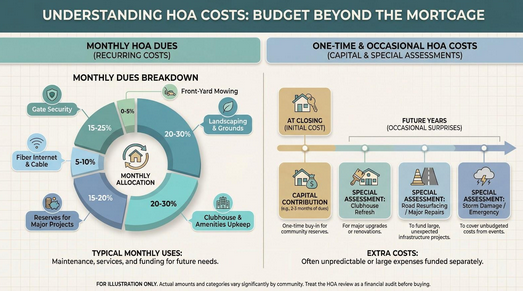
What do those dollars cover? Think of them as a bundled service plan. Dues usually pay for gate security, common-area landscaping, clubhouse upkeep, and reserves for large projects such as road resurfacing. In newer master-planned communities, the fee may also include fiber-optic internet or front-yard mowing.
The bigger shock often hides in capital contributions and special assessments. Many associations collect two or three months of dues at closing to build reserves. Others impose one-time “clubhouse refresh” fees when renovation funds run short. Savvy agents preview those costs early and, when possible, negotiate credits so the final statement does not surprise you.
Rule of thumb: request the association’s latest budget and reserve study as soon as you go under contract. A healthy reserve, typically at least seventy percent of projected needs, signals stable dues. A thin reserve paired with aging amenities hints at future increases. Your Realtor should translate those spreadsheets into plain language and an annual cost you can add to everyday expenses.
Treat the HOA interview like a financial audit. Clear numbers make the move from offer to welcome packet smoother.
HOA rules and everyday lifestyle, read the fine print before you sign
Security gates provide the first layer of order; the bylaws supply the rest. Some boards dictate roof colors, mailbox designs, and even the length of time a guest’s vehicle may remain in the driveway. Others focus only on speed limits and quiet hours after ten.
Rules shape daily living, so treat them like a second set of property specs. Dog lover? Check weight limits—many boards cap pups at forty pounds. Planning to rent seasonally? Some communities require twelve-month minimum leases or ban short-term rentals completely.
Retiree enclaves add another layer: age restrictions. A fifty-five-plus neighborhood requires at least one resident to meet that mark, and visits by minors may be limited to thirty days each year. Break the rule and you face fines or, worse, forced relocation.
Ask your agent for a bylaws cheat sheet during showings. Skilled gated specialists flag quirks that conflict with your lifestyle before you fall for the granite countertops, saving both heartache and hefty violation fees.
Access and privacy, why a Realtor is your golden ticket
Iron gates do more than impress visitors; they also keep casual shoppers out. Most communities need the listing agent to register your name, and many refuse entry to unescorted guests, even during open houses. Arrive without clearance and you may spend your visit at the guard kiosk instead of touring the kitchen.
The rule protects owners but blocks last-minute drive-bys. Top gated specialists turn that barrier into an advantage. They group several showings under one security clearance, submitting your identification twenty-four hours ahead so you glide through like a member.
Inside, privacy rules tighten further. Clubhouses often ban photography, streets carry twenty-five-mile speed limits, and “no solicitation” policies prevent door-knocking for neighbor intel. A well-connected agent fills that gap, sharing inside chatter on upcoming listings or pending assessments while you cruise the boulevard.
Treat your Realtor as both tour guide and passport. The smoother they manage gate access, the faster you move from visitor log to resident roster.
Be aware of 2024–2026 rule changes
Buyer-agent commissions just flipped
For decades sellers quietly included the buyer-agent fee in the list price. A landmark 2024 settlement ended that habit. Sellers no longer must pre-pay your agent, and you must sign a written agreement that spells out how your representative is paid.
What changes on the ground? During showings you will now see a blank or variable field where “buyer commission” once appeared. Some sellers still offer a full fee to widen the pool, others offer half, and a few offer none. Before your first tour, your agent should explain three funding options:
- Negotiate the fee into the purchase price when inventory is plentiful.
- Request a closing credit from the seller earmarked for your agent.
- Pay the commission yourself; many lenders now allow it to roll into the mortgage if the appraisal supports the higher figure.
Clear math at the start avoids awkward haggling later. Experienced gated specialists already have lender scripts to keep deals moving under the new model.
Florida’s new HOA law reins in heavy-handed boards
Good news for owners tired of constant violation letters: Tallahassee narrowed association powers in late 2025. The reform caps excessive fines, demands transparent budgeting, and requires boards to open more records to members. An association that once charged fifty dollars a day for a visible trash can must now justify the penalty.
Why does this matter when you buy? Financial clarity. Sellers must disclose unpaid fines, and boards must explain fee hikes with documented needs. Your agent should pull the latest budget minutes and any pending special-assessment votes. If the numbers look weak, negotiate a price concession or keep shopping.
The law also shortens the record-request timeline, so you can review reserve health in days, not weeks. A sharp Realtor will use the statute to secure documents early, shrinking both risk and stress.
Insurance and storm-hardening, budget for wind before it blows
Florida premiums climbed faster than sea-level projections, and gated homes feel the pinch. Carriers reward impact windows, reinforced garage doors, and wind-mitigated roofs with sizable discounts, while dated features can spike quotes or force owners into the high-risk pool.
The state revived the My Safe Florida Home grant in 2025, offering up to ten thousand dollars for storm upgrades. Sellers who already used the program often advertise “grant complete” as a selling perk; buyers still have funds available if the property lacks shutters or a fortified roof deck.
Ask your agent for a recent wind-mitigation report and roof age before you sign. A ten-year-old tile roof with clips and a secondary water barrier can shave thousands off annual premiums compared with a fifteen-year-old roof missing that paperwork. Savvy Realtors line up quotes during inspection week so you can weigh true carrying costs beside the mortgage.
The cheapest time to think about hurricanes is before closing. Lock in the right coverage and improvements now, then follow the next storm update with more confidence and a smaller deductible.
Tips for touring and choosing gated community homes
Schedule first, stroll later
Call it the golden rule of gated shopping: plan before you drive. Guards need your name in the log a day ahead, and residents value quiet streets. Work with your agent to bundle three or four homes under one security clearance so you spend more time in foyers and less time at kiosks.
Evaluate the community, not just the kitchen
Granite counters impress, but shared spaces protect value. During the tour, linger in the clubhouse, test gym machines, and note whether tennis courts show cracks or fresh paint. Well-kept amenities signal healthy reserves and boards that spend dues wisely.
Read the fee sheet line by line
Ask for the HOA disclosure summary; Florida law requires sellers to provide it. Scan for hidden costs such as capital contributions, transfer fees, and golf-equity buy-ins that dwarf monthly dues. A sharp Realtor will translate the jargon and estimate your annual true cost.
Ask about future assessments
That resort-style pool may be due for resurfacing. Boards often discuss big projects years in advance. Request minutes from the last two board meetings; they reveal looming expenses that could trigger assessments soon after you unpack.
Bring the right ID and a phone charger
Many gates scan driver’s licenses and photograph tags. Forget yours and the tour stalls. Inside, cell service can dip, so carry a charger or portable hotspot if you plan to video chat a spouse or inspector.
Tap your agent’s vendor list
Once you fall for a home, you will need HOA-approved painters, landscapers, and pool services. Seasoned gated specialists keep a vetted roster that meets insurance rules, saving you trial and error.
Conclusion
Choose carefully, lean on expert guidance, and the right gated address will feel like a permanent holiday with your name on the resident list at the front gate.

How Good Accounting Secures Better Lease Deals

Leasing is often one of the biggest expenses for businesses, whether it’s office space, retail storefronts, or industrial warehouses. While most owners think about location, square footage, or amenities, what often gets overlooked is how much good accounting can influence negotiations. Landlords and leasing companies care about numbers—your financials tell a story about your stability, reliability, and growth potential. Having clear, accurate books can be the difference between landing a favorable lease deal or being saddled with higher costs.
Why Accounting and Leasing Go Hand in Hand
A lease is a long-term financial commitment. Landlords aren’t just renting out a space—they’re trusting that your business can pay on time for years. Strong accounting practices prove that you’re a low-risk tenant. On the other hand, sloppy records or vague financials raise red flags. According to Deloitte, 57% of landlords say financial transparency is one of the top factors they consider in lease approvals. This makes accounting more than just compliance—it’s a bargaining tool.
How Proper Accounting Strengthens Negotiations
When you approach lease discussions with organized financials, you immediately stand out. Clean balance sheets, income statements, and cash flow reports send the message that your company is stable and capable of meeting obligations. This often translates to:
- Lower deposits or security requirements
- Access to longer lease terms
- Greater flexibility in renewal options
- Potentially lower monthly rates
In short, accounting gives you credibility. Landlords want predictable tenants. If your books show consistent growth and controlled expenses, you’re in a strong position to negotiate.
Prepaid Expenses and Why They Matter
One often-overlooked accounting area that can directly affect lease deals is how you handle expenses like insurance, utilities, and rent. These are considered prepaid expense items in accounting. Properly recording them demonstrates that you understand cash flow management. If a landlord sees that you plan ahead and allocate resources responsibly, it reassures them that you won’t miss rent payments when large bills come due.
The Role of Cash Flow in Lease Approvals
Cash flow is king in leasing. Even if your business is profitable on paper, poor cash flow management can signal risk. Accounting ensures you’re tracking:
- When money is coming in (customer payments, sales cycles)
- When money is going out (leases, utilities, payroll)
- How much cushion you maintain month-to-month
Many landlords will review not just your profitability but also whether your cash flow suggests you can weather slower months. With proper accounting, you can present a clear picture that you’re financially resilient.
Benefits of Organized Financial Statements
Landlords and property managers often request financial statements as part of the lease application. Having organized reports ready offers several benefits:
- Professionalism: Shows you treat finances with seriousness.
- Transparency: Reduces back-and-forth during negotiations.
- Efficiency: Speeds up the approval process, which can be crucial in competitive markets.
- Confidence: Positions you as a tenant worth investing in.
These aren’t just “nice-to-haves.” They’re often the deciding factors that determine whether you land the space you want or lose out to another business.
What Landlords Look for in Tenant Financials
From a landlord’s perspective, leasing space is an investment. They want to know that their asset is safe with you as a tenant. Most landlords look for:
- Consistent revenue growth
- Positive cash flow trends
- Controlled operating expenses
- Low debt-to-equity ratios
- Reliable credit history
If your accounting clearly reflects these strengths, you’re not just another applicant—you’re a desirable long-term tenant.
How Accounting Supports Lease Renewals
The role of accounting doesn’t stop after you sign the lease. When renewal time comes around, landlords may reassess your financials to adjust rates or determine whether to extend favorable terms. Businesses that demonstrate steady growth, responsible expense tracking, and healthy margins often secure better renewal terms than those with shaky records. Accounting keeps you prepared not just for the first deal but for every lease cycle.
Mistakes Businesses Make in Lease Accounting
While proper accounting helps, poor practices can harm negotiations. Common mistakes include:
- Mixing personal and business expenses
- Failing to properly record prepaid expenses
- Overlooking hidden lease costs (maintenance, CAM charges)
- Inconsistent or outdated financial statements
- Relying solely on tax filings instead of full reports
These missteps can make landlords question your ability to meet obligations. Fortunately, they’re avoidable with discipline and professional oversight.
Accounting and Long-Term Savings
Securing a lease is about more than signing a contract—it’s about positioning your business for long-term success. Proper accounting helps you avoid unexpected costs, negotiate better terms, and maintain strong landlord relationships. Over time, this can save thousands of dollars in reduced deposits, lower rates, and minimized penalties. Think of accounting as an investment in your business’s real estate strategy.
Final Thoughts
Accounting is often seen as a back-office function, but when it comes to leases, it plays a front-line role. Well-kept books make you more attractive to landlords, give you leverage at the negotiating table, and help you secure terms that truly support your business growth. Whether it’s handling prepaid expense items correctly or simply presenting clear financial statements, proper accounting is one of the most powerful tools businesses can use to land better lease deals.
A strong lease isn’t just about location—it’s about financial credibility. And that starts with accounting done right.
The 5 Best Ways to Find Business Space for Your Service Company

Finding the right business space can make or break your service company’s reputation, operations, and growth potential. Whether you’re in consulting, legal services, marketing, or property maintenance, the space you occupy speaks volumes about your professionalism and credibility. From visibility to logistics, there’s plenty to consider—and plenty of options beyond scrolling endless listings. Here are five powerful ways to land a business space that fits your brand, your budget, and your future.
1. Tap into Local Commercial Brokers
Commercial real estate brokers aren’t just for big companies—they’re goldmines of market intel and off-market opportunities. A broker specializing in your sector can help negotiate better lease terms and steer you away from properties with hidden operational pitfalls.
Why it works:
– Brokers have access to listings not publicly advertised.
– They can assess zoning, accessibility, and proximity to competitors.
– Many offer guidance through lease vs. purchase decisions.
Pro Tip: Look for brokers who’ve worked with similar service-based businesses. They’ll understand your unique flow of clients, hours of operation, and layout requirements.
2. Leverage Online Listing Platforms Strategically
Sites like ROFO offer thousands of searchable commercial properties. But instead of casting a wide net, filter with precision. Use advanced search tools to narrow by square footage, property type (office, flex space, retail), lease length, and amenities.
Optimization tips:
– Set alerts with specific keywords like “service suite,” “turnkey,” or “client-ready.”
– Examine whether properties allow interior customizations or signage.
– Cross-reference listings with local zoning maps and neighborhood reputation.
SEO Angle: Create your own content (like this post!) targeting phrases such as “best office spaces for [your service type] in [your city]” to attract landlords actively searching for tenants.
3. Explore Co-working and Shared Office Providers
For startups and small-scale service companies, shared spaces offer flexibility without long-term commitments. Providers like WeWork, Regus, and local hubs often have private offices, mail services, and client-ready conference rooms.
Ideal for:
– Businesses needing a professional front without full-time overhead.
– Early-stage ventures that want scalable space as they grow.
– Remote-first teams needing occasional in-person meetups.
Bonus: Many co-working spaces foster networking with other business owners, leading to referrals and cross-industry partnerships.
4. Network Within Your Industry and Local Chambers
Word-of-mouth still reigns in business real estate. Attend local chamber of commerce meetings, business expos, or trade associations relevant to your service niche. Building owners and current tenants often share upcoming vacancies before they’re listed publicly.
Why it matters:
– Off-market spaces often come with more negotiation flexibility.
– You’re engaging with landlords who prefer long-term tenants with referrals.
– Chambers often have exclusive access to municipal development plans, including new commercial builds.
Example: A legal tech firm may learn about underutilized floors within law office buildings looking for synergies. Likewise, a digital marketing service might tap into creative hubs looking to fill spots near design studios.
5. Partner with Property Developers and Real Estate Investors
New-build projects and under-renovation properties offer massive customization potential. Developers often seek anchor tenants early on to help shape the layout and amenities. If you have a solid business model and brand, this approach gives you influence over the final design—and potentially discounted rent.
Consider this approach if:
– You need specialized layout features like client lounges, workshop areas, or tech labs.
– You’re expanding regionally and want uniformity across locations.
– You’re willing to wait several months for a space to be ready.
How to connect: Reach out via LinkedIn, local business events, or real estate investment groups. Pitch your company as a stable, service-driven tenant with long-term upside.
Finding business space for a service company isn’t just about square footage—it’s about alignment with your goals, customer experience, and operational needs. By going beyond traditional search methods, you gain access to spaces that reflect the quality of service you provide. Whether you’re booking boardrooms or fielding clients for consultations, the right environment elevates everything.
Want help tailoring your next move to your brand, audience, or location? Let’s brainstorm space search strategies customized for your niche.
Choosing the Right Commercial Property for Your Business

As a business owner, you can work from anywhere you’d like. However, if you want your business to grow, separate your business from your home, and employ a large team to help you, you will likely need a commercial office space for convenience. You’ll need to find the perfect space to grow your business, particularly for your industry. You’ll need a location that offers continuous demand from both residential and commercial clients in the long term. If you’re ready to take the plunge and choose the best property for your business, you will want to familiarize yourself with the smartest steps to take and what features to consider first.
Prepare Your Business
Before you choose the location for your business, you’ll want to ensure you’ve adequately prepared and earned qualifications. Many industries require professional licensing, especially if you own a business.
Plumbing
Plumbers are one of the many skilled trades that require licensing in most states. In Massachusetts, you’ll need to prepare for and take a plumbing exam to receive a license before taking on commercial work. In California, you need to provide proof of four years’ of experience in the plumbing field. Florida requires a certain credit score—660 or higher. Look up your state’s requirements to see what you need to do. If you own and operate a plumbing business where you oversee employees, you will likely need a master-level plumbing license, which usually has stricter requirements. Licensing is very important; cutting corners can cost you your business! You’ll also want to ascertain that the location you choose properly adheres to any zoning laws and regulations for commercial real estate. Once everything is secured and confirmed, you can proceed with finding an office that meets your business’s plumbing-related needs.
Hair Salon
If you’re looking to buy a property for your hair salon, you can’t just bring your favorite shears and get started. You will need a business license, and you’re going to need a cosmetology license in most states. North Carolina requires passing an exam and completing 1,500 hours in an educational program. In states like Michigan, a two-year apprenticeship can replace the required school hours. Similar to plumbing licenses, you’re going to need to research your state’s cosmetology license requirements to buy a legal and safe hair salon.
Coffee Shop
While a coffee shop is a fun business idea, you’ll need a lot of licensing to start one, as you’ll be handling people’s food. Business licenses, food service or handler licensing, and liquor licensing (if applicable) are typically the minimum requirements in most states. Some states, like North Carolina, may require a Certificate of Occupancy as well. A lot goes into opening any food service business, so preparation is crucial.
Plenty of Desk Space
As a business owner, you will likely get plenty of phone calls, emails, and paperwork for your work projects. You and any employees you hire will need plenty of room for office equipment and desk space to take on client concerns and new projects. Your office space should have room for public or private desks, copiers, fax machines, computers, and more. A cramped office space may be frustrating for you, your employees, and your customers.
Adequate Vehicle Parking
Many businesses often manage commercial vehicles to travel to each job. These vehicles will need a protected space on your property when not in use. Clients, employees, and affiliates will likely need a space to park as well. You’ll want a large parking lot as a start, but fencing or covered protection may be ideal during inclement weather. Take note of the parking space in any office you’re considering. Is there room for employee vehicles? Is there adequate security? Is there space for more large parking spots if there isn’t enough already?
Equipment Storage
Most businesses need a lot of equipment and tools to serve many clients, especially in construction or trade fields. These tools can take up valuable office space and often require frequent maintenance and storage. Look for a workshop or small warehouse where you can sufficiently store, clean, and maintain your equipment if applicable. Office space isn’t the only aspect to consider when choosing the right commercial real estate.
Phone and Internet Hookups
You will need to be able to connect your office phones and computers to the internet to take client calls and messages, especially for service-oriented businesses. Make sure there are accessible internet hookups in the space you’re looking at. You can always install internet access, but it can take extra time and money that you may not want to wait for. Before signing any lease or deed, make sure you get estimates about internet access.
Room for Growth
When you’re hunting for the perfect office, you don’t want to only consider the current size of your business. You’ll want to be able to grow sufficiently into the space. If the office only fits your current team, you may want to choose elsewhere. Your business may grow with continued success, and you’ll want to be able to expand without moving each time. Make sure the space is a comfortable size for your current and future business goals.
Foot Traffic
While some businesses don’t need to rely on foot traffic to get customers, it’s never a bad idea to consider the location of your office. If clients can easily see your signage and access your building, it may boost the amount of clients you receive. Your office’s location alone can be a great marketing tool. While you don’t want to choose an inadequate space just because it’s in a highly visible location, don’t be afraid to keep your storefront accessibility in mind.
Conclusion
Once you’ve confirmed a particular location’s adherence to zoning laws, there’s no wrong decision as long as it meets your business’s needs. If you need to sell an existing property before securing a new one, working with trusted land buyers can help you streamline the process and access funds for your next investment. Consider your team size, growth plans, budget, and needs out of a commercial space before choosing. You can rent a space for more flexibility and short-term needs, or you can purchase a space to invest in your business in the long term. By carefully evaluating your business’s goals and comparing it to your commercial real estate options, you can make the most informed decision that sets your business up for success.
Best Coworking Spaces In Toronto For Newcomers

Toronto’s coworking landscape has experienced significant growth, reflecting a global shift towards flexible work environments. As of 2024, the city boasts a diverse array of coworking spaces catering to freelancers, startups, and established businesses. The average monthly cost for a hot desk ranges from CAD 200 to CAD 450, while dedicated desks are priced between CAD 400 and CAD 650. Private offices can vary from CAD 600 to CAD 1,500 per month, depending on location and amenities.
This expansion aligns with global trends, with the number of coworking spaces worldwide projected to reach nearly 42,000 by the end of 2024.
In Toronto, the average asking rent for office spaces across all classes was CAD 25.40 per square foot as of the third quarter of 2024, indicating a 2.5% decrease year-over-year. Class A office spaces saw a slight increase to CAD 26.15 per square foot.
This dynamic environment makes Toronto an attractive destination for newcomers seeking flexible and cost-effective workspace solutions.
Steps to Moving to Canada and Finding the Best Coworking Spaces in Toronto
Embarking on a journey to Canada, particularly to a bustling metropolis like Toronto, requires meticulous planning and informed decision-making. We will offer an overview to assist newcomers in navigating the immigration process and selecting suitable coworking spaces in Toronto. For more assistance contact us.
Navigating the Canadian Immigration Process
Relocating to Canada involves understanding various immigration pathways tailored to individual circumstances. One prominent resource is Wild Mountain Immigration, a consultancy dedicated to guiding applicants through the complexities of Canadian immigration.
Express Entry System
The Express Entry system is Canada’s primary method for managing skilled worker applications for permanent residence. It encompasses three federal programs:
- Federal Skilled Worker Program (FSWP): Designed for individuals with foreign work experience who meet specific criteria.
- Canadian Experience Class (CEC): Tailored for applicants with Canadian work experience.
- Federal Skilled Trades Program (FSTP): For skilled workers qualified in a trade.
Applicants are assessed based on factors such as age, education, work experience, and language proficiency. A Comprehensive Ranking System (CRS) score determines eligibility, with higher scores increasing the likelihood of receiving an Invitation to Apply (ITA) for permanent residence.
Provincial Nominee Program (PNP)
Canada’s provinces and territories, including Ontario, have their own immigration programs under the PNP. These programs allow provinces to nominate individuals who meet specific local labor market needs. Securing a provincial nomination can significantly enhance an applicant’s CRS score, effectively guaranteeing an ITA.
Family Sponsorship
Canadian citizens and permanent residents can sponsor their spouses, common-law partners, children, and other eligible relatives for permanent residence. This pathway emphasizes family reunification and has specific eligibility requirements and processing times.
Work Permits and Study Permits
For those seeking temporary residence, obtaining a work permit or study permit is key. Work permits may require a Labour Market Impact Assessment (LMIA), demonstrating that hiring a foreign worker will not negatively impact the Canadian labor market. Study permits are necessary for international students enrolled in designated learning institutions.
Top Coworking Spaces in Toronto for Newcomers
Toronto’s dynamic coworking landscape offers a variety of spaces catering to diverse professional needs. Here are some notable coworking environments that newcomers might consider
East Room
East Room is renowned for its blend of private desks, dedicated desks, and club rooms, each equipped with amenities like coffee makers and refrigerators. Established in 2014, it fosters a community-centric atmosphere through networking events, making it an ideal space for professionals seeking both productivity and collaboration.
Startuptive
Located in Downtown Toronto, Startuptive offers flexible workspaces tailored for entrepreneurs and startups. Amenities include free printing services, mail and package delivery, an on-site gym, and a gaming area, all designed to enhance productivity and well-being.
Project Spaces Camden Street
Project Spaces Camden Street provides a dynamic coworking environment catering to entrepreneurs, remote workers, and co-founders. With a cozy ambiance, friendly staff, and well-designed workspaces, it has received high praise from its members. Amenities include free coffee and tea, contributing to a comfortable and productive atmosphere.
Workhaus Commerce Court
Situated in the heart of the city, Workhaus offers a range of office solutions, including private offices and collaborative workspaces. Members enjoy amenities like high-speed internet, meeting rooms, and a supportive community, all within a convenient downtown location.
- Acme Works provides a dynamic environment with various workspaces, including private offices and open desks. Known for its welcoming community and pet-friendly policy, it offers amenities such as high-speed internet, meeting rooms, and a fully equipped kitchen.
- Staples Studio Toronto This modern coworking space offers flexible membership options, including hot desks and private offices. Amenities include high-speed internet, meeting rooms, and complimentary coffee and tea, all within a central location easily accessible via public transport.
- Verkspace provides a boutique coworking experience with a focus on design and comfort. Offering private offices, dedicated desks, and meeting rooms, it fosters a collaborative environment with amenities like high-speed internet, a coffee lounge, and event spaces.
- WeWork A globally recognized coworking provider, WeWork’s Toronto locations offer modern workspaces, including hot desks and private offices. Members benefit from amenities like high-speed internet, meeting rooms, and a variety of networking events, all within prime city locations.
IQ Office Suites
For those seeking a coworking space that combines luxury, privacy, and professional networking, IQ Office Suites is a standout choice. Located at 150 King St W, it offers ultra-modern amenities, spectacular views, and a quiet, productivity-enhancing environment.
Endnote
Toronto’s coworking spaces not only offer functional environments but also provide access to vibrant communities and networking opportunities that can accelerate professional growth. With ongoing innovations in coworking models, including hybrid options and industry-specific hubs, the city continues to adapt to the evolving needs of its workforce.
For newcomers, leveraging these spaces can be a strategic move to integrate into Toronto’s dynamic business ecosystem while cultivating meaningful connections.
Photo by Arturo Castaneyra on Unsplash
Common Security Deposit Problems and Solutions

Security deposits and security deposit alternatives, as part of signing a rental agreement, are incredibly important for all parties involved, both the landlord and tenant. They protect the landlords financially in case of any damages, rent defaults, or costs incurred for cleaning the property.
For the tenants, security deposits are a form of law that binds them to care for the rental property and holds them accountable for their actions. However, there are instances where both parties can have conflicts with respect to the security deposit which leads to confusion.
By reading through this article you’ll be able to identify the common security deposit issues and ways to efficiently resolve them.
Purpose of Security Deposit in the Rental Agreement
To put it bluntly, the security deposit protects landlords as it covers possible expenses related to the rental unit, such as damage, outstanding amounts of rent, or occasions when tenants require a thorough cleaning. This will help ensure that the property is returned to the owner in the appropriate condition and that any potential losses suffered are reduced.
For tenants, security deposits become a settlement requirement which serves to create an obligation for rental clients not to damage property beyond certain limits as they will lose the money. It also gives them the satisfaction of knowing that money is put aside for some eventualities.
To put it simply, a security deposit serves as a protective measure for landlords and a legal obligation from tenants. Once paid, the landlord should also provide details about how the security deposit will be used and returned.
Common Security Deposit Problems
Disagreements between tenants and landlords can stem from any of several concerns related to the security deposit. Understanding each concern and setting rules for it can minimize the likelihood of disputes.
Normal Wear and Tear vs. Damage
A common issue surrounds distinguishing normal wear and tear and man-made damage. Normal wear and tear describes what is normally expected to occur in a building after several years of use. For instance, an age-old painting that has paint that has faded or a carpet that has suffered from constant usage.
Man-made damage on the other hand is the result of negligent handling or rough usage of the rented property like holes in the walls or even loss of fixtures. It is the duty of the landlord to provide an explanation with the lease of what could be considered normal wear and tear and man-made damage.
*Note: Bay Property Management Group Atlanta can assist landlords with documentation in case there is proven damage to the property.
Cleaning Disputes
Cleaning disputes arise when tenants are vacating homes. They may have left the house untidy and unclean to a landlord’s standard, so an amount is deducted from the security deposit.
To avoid this from happening, we recommend that landlords provide a cleaning checklist in anticipation of the moving-out process, as well as provide room-by-room specifications of where attention is needed to ensure job satisfaction. From this, there was no issue with cleaning appliances, scrubbing bathrooms, and sharpening vacuums for carpet cleaning.
Also, open communication and giving tenants the chance to resolve the issue before making any cuts can assist in settling such disputes amicably.
Late Rent Payments
Late rent payments may also limit the use of the security deposit. If a tenant remits the rent late, the landlords will be forced to use the security deposit without the tenant’s consent.
However, taking rent out of the security deposit can lead to more issues down the line, especially when it’s time to end the lease. So, it is very important that landlords should exercise caution and have clear policies on late payments.
Make sure to get every payment or lack thereof paid with its appropriate receipts to lessen issues regarding any late rent.
Solutions Landlords Can Implement
Addressing common security deposit issues proactively can help landlords and tenants maintain a positive relationship. Failing to de-escalate the issue can result in eviction and landlords relisting the real estate property on the market again.
Below are some effective methods to resolve the problems:
Detailed Move-In/Move-Out Inspection Checklist
Combining and documenting move-in and move-out inspections provides a valuable tool in preventing allegations and disputes regarding the condition of the rental. A properly documented inspection must include a checklist form covering the specific rental unit’s walls, floors, appliances, and fixtures.
The checklist should be physically available during the move-in inspection by both tenant and landlord, and their representative should take photographs as evidence while they mark every item. This helps to ensure that any existing damages are recorded.
This approach enables the move-out inspection to evaluate the previous checklist, which facilitates a comparison between the condition of the building before the lease was signed and after its termination. Such discrepancy allows for the identification of damages, if any, that require the use of the security deposit for repairs.
Encourage Open and Clear Communication
To circumvent the majority of the security deposit problems, landlords and tenants should communicate in an open and transparent manner. From the outset, landlords should outline their communication strategy with the tenants and reassure them with lines that allow tenants to share their issues with ease.
This can be achieved by basic things such as regular calls, sharing contact details, and responding to tenants’ questions. Effective communication ensures the use of common sense on both sides of the relationship, thereby preventing any issues from arising in the first place.
If landlords could provide tenants with a thorough understanding of the norms of security deposit usage, including maintenance and cleaning duties for the apartments, tenants would be able to cooperate easily.
Track Record of All Payments
It is vital that both landlords and their tenants maintain accurate records of all transactions made. As mentioned before, records of rent, security deposits, and other deductions should be well-kept by the landlords.
One may use property management tools or simple spreadsheets to record this information. At a minimum, every record should include the date, amount, and reason for the transaction. To help build trust, providing tenants with receipts when they pay rent or a summary of their user accounts could help.
The written accounts of all the payments and progress made for a certain task will serve as proof and will come in handy to settle any disputes that may arise.
Importance of Understanding the Lease Agreement
For landlords and tenants, understanding the lease agreement is essential in minimizing disagreements when renting. The agreement specifies the duties of both parties as well as details about security deposits.
Set out clearly the circumstances where and where deductions cannot be made, in what circumstances the deposit may be returned, and how long it will take to return it. Tenants should always read the lease agreement well to know their rights and legal obligations to avoid nasty confrontations and disputes.
It’s also important for tenants to ask questions about the lease if any part is unclear, and afterward, they can keep a signed copy. Landlords ought to make the agreement encompassing every facet of the renting relationship simple and easy to understand.
Updating the lease agreement every now and then to the local requirements will also assist in minimizing renting conflicts and promoting positive renting relations between the two parties.
Conclusion
In order to avoid disputes, it is essential that landlords and tenants are on the same page regarding the purpose of the security deposit as well as its management. Being aware of the tenant’s ongoing issues such as cleaning requirements or repair jobs would greatly lessen misunderstandings while also preserving the relationship between the two parties.
Wording things correctly, recording communications, and performing appropriate due diligence all serve to alleviate issues “before they arise.” More specifically, they are beneficial to the management of the relationships between tenants and landlords as well as the disputes that stem from them.
ROFO Beyond Bricks: Strategies for Business Success

For decades, ROFO.com has been a resource you could trust for finding the perfect commercial location. If you were an entrepreneur of any stripe trying to establish a physical presence for your business, ROFO and its friendly, supportive interface were like a helpful neighbor leading you to the right storefront. But the business landscape keeps changing in ways that affect all of us, and at ROFO, we’re not standing still. Today, we are excited to announce the launch of:
ROFO Beyond Bricks: Strategies for Business Success.
Stretching Beyond the Material Frontiers
ROFO Beyond Bricks is a platform we have just launched at ROFO.com to provide insightful resources and guidance in the specialized area of helping companies like yours break into new markets and opportunities. It is all part of a strategy to go well beyond the standard of care we provide to clients in the classic real estate transaction. We want to help you with the insights and resources to break into new territories and serve your business well.
What Will You Find Waiting at ROFO Beyond Bricks?
ROFO Beyond Bricks will gather under one roof a smorgasbord of riches intended to yield your successful business. What follows is just a fraction of what you’ll find. First, there will be plenty of informative articles and guides. These will be insightful and often span the kinds of lengths that allow for depth without verbosity. They’ll toss around a wide variety of business topics as bait to hook your interest. Among the business-related subjects they’ll cover will be at least one marketing strategy surely destined to inspire you with its originality. The articles and guides will be so readable that the online experience will be virtually indistinguishable from experiencing a face-to-face conversation with the author. Then, too, you will find interviews with honest-to-goodness industry leaders and marketing-savvy entrepreneurs.
Why Use ROFO Beyond Bricks?
Our newly re-launched platform offers unparalleled benefits for its participants: *
- Stay Informed: While the commercial real estate industry may not be the fastest to adopt new digital trends, it is crucial for professionals operating within the space to be aware of emerging technologies that promise to change the nature of business. This is about not just surviving but thriving in the digital age.
- Access Valuable Resources: ROFO Beyond Bricks will serve as a platform for offering not just advice but also the direct resources that entrepreneurs need to succeed.
Your Success is Our Success
At ROFO, we believe that your success is our success. That’s why we’ve launched ROFO Beyond Bricks. We want to empower you with the tools, knowledge, and support necessary to build a business that thrives beyond both you and its physical location. Whether you’re looking for the ideal commercial space on ROFO.com or seeking expert counsel, ROFO Beyond Bricks is here to serve you. Pay us a visit today, and we’re sure you’ll find a bevy of resources that’ll do nothing but good for you and your entrepreneurial dreams!
Still Here for Your Commercial Real Estate Needs
We are still here to help with your commercial real estate needs. We still provide a focused and enhanced means of searching for your next commercial real estate space. Acquiring commercial space is not nearly as easy as booking a hotel room. Once you have the right space in mind, you must then locate the right landlord or sub-landlord who can meet your very particular and vital business, space, and location requirements. If you are like most businesses, you likely don’t do this often, which makes the search even more difficult when the time finally arrives. ROFO represents an alternative that works well with both soft and hard searches. Its engine returns results quickly and precisely, using the right criteria to pull in the appropriate properties and the right contacts.
These professionals are much like you, they are seeking to forge qualified connections.
- ROFO provides you with a simple, efficient portal into your local commercial real estate market.
- And even if you need office space, part time or otherwise? Or if your search is for an ideal new retail location?
- An industrial, manufacturing, or co-working space?
- Or perhaps what you need is a virtual office?
Whatever it is you’re after, ROFO is your surefire way to find the local residential market’s “it” space.
The Easy Way to find Commercial Real Estate
The Easy Way to find Commercial Real Estate